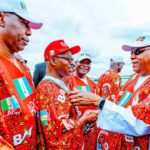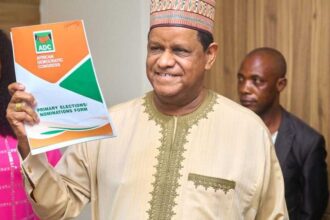


A self-identified faction member of the Obidient movement, the grassroots civic mobilisation network that powered Peter Obi’s 2023 presidential campaign, claimed this week that they had personally funded the movement with their own money, making a public promise directed at President Tinubu as part of broader 2027 election positioning.
The claim, which surfaced in social media commentary and was picked up by Legit.ng, has reignited debate about the internal financial and organisational structure of the Obidient movement, which has operated largely as a decentralised civic network rather than a formal political organisation since 2023. Questions about who funds and controls various factions of the movement have persisted since the last election cycle.
The individual’s specific promise to President Tinubu was not fully detailed in initial reports, but the disclosure has drawn attention to the increasingly fragmented nature of pro-Obi civic mobilisation as the 2027 election cycle approaches. Analysts say internal disputes over funding, leadership, and direction within the Obidient base could complicate Peter Obi’s efforts to build a unified campaign infrastructure for 2027.
Related News
NDC Primaries Controversy Continues to Simmer
Meanwhile, a commentary published by Legit.ng’s Ololade Olatimehin argued that neither Peter Obi nor NNPP leader Rabiu Kwankwaso should be blamed for ongoing controversies surrounding the New Democratic Congress primaries, suggesting that structural and procedural issues within the party’s internal democracy, rather than the personal conduct of either politician, were the primary source of the disputes.
Furthermore, the broader opposition landscape continues to show signs of strain as the ADC navigates its deregistration controversy, the NDC manages its primaries disputes, and the PRP works to consolidate northern support around Donald Duke and Datti Baba-Ahmed. Still, none of the major opposition formations has yet emerged as a clearly dominant alternative to the APC, leaving the 2027 field unusually fragmented for this stage of the electoral cycle.
Related News
However, some political strategists argue that fragmentation is a natural and even necessary phase before eventual coalition-building closer to the election itself, drawing comparisons to similar dynamics that preceded the formation of the APC merger ahead of the 2015 election. Notably, the various opposition camps continue to publicly emphasise unity as a long-term goal even as their day-to-day actions reflect significant internal competition for resources, structures, and political relevance. Consequently, how these tensions resolve over the coming months will significantly shape the competitiveness of the 2027 presidential race.
Aiyedatiwa’s Accidental Governor Narrative Persists
In related commentary, a Legit.ng analysis examined the persistent ‘accidental governor’ narrative surrounding Ondo State Governor Lucky Aiyedatiwa, who ascended to the position following the death of his predecessor, exploring how the framing has shaped both his political legitimacy and his policy choices since taking office. As a result, questions of political legitimacy and succession continue to feature prominently in commentary about several state governments across Nigeria.