

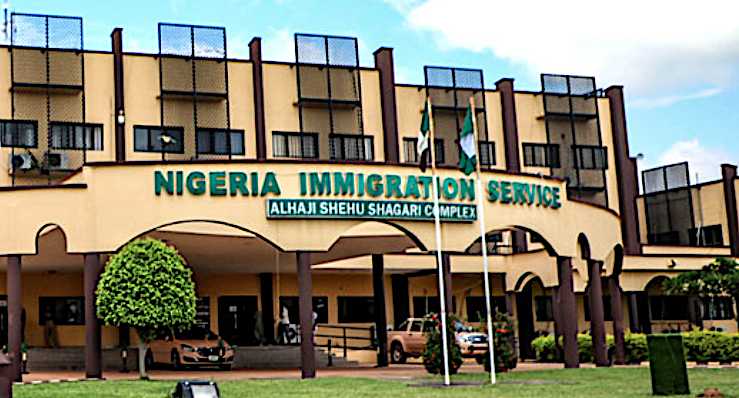
ABUJA — The Nigeria Immigration Service has assured Nigerians that the country’s borders are fully secured against the entry of the Ebola virus. The NIS made the assurance in a statement released on Sunday in response to growing public anxiety about the ongoing outbreak in the Democratic Republic of Congo and Uganda.
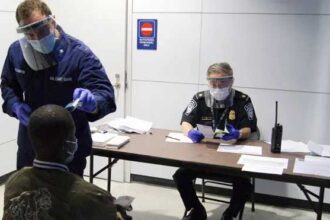
NIS Spokesperson Shole Victor said the service has deployed trained health liaison officers at all major airports, seaports, and land border crossings. These officers work alongside NCDC officials and port health authorities to screen passengers arriving from affected regions.
“We want to assure Nigerians that our borders are not porous to the Ebola virus. We have enhanced our health surveillance and are working in close coordination with the NCDC and the Federal Ministry of Health to prevent any imported case,” Victor said.
Related News
The assurance follows similar statements from the NCDC, which confirmed no Ebola cases have been detected in Nigeria. The NCDC also warned against the spread of social media misinformation about the outbreak.
What Is Being Done at Borders
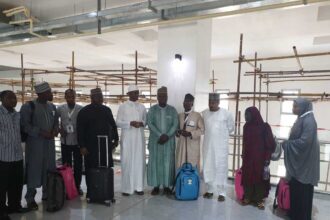
Immigration officials said travellers arriving from or transiting through DRC, Uganda, and South Sudan are subject to additional health screening. This includes temperature checks, symptom questionnaires, and close observation for any signs of fever, vomiting, or bleeding that could indicate Ebola infection.
Related News
In addition, the NIS has briefed all its officers at entry points about Ebola symptoms and the protocol for isolating and reporting suspected cases. Officers have been told to immediately contact NCDC rapid response teams if any traveller presents with concerning symptoms.
Furthermore, the NIS is working with airline and shipping companies to review passenger manifests for recent travel history to affected areas. This proactive tracking complements the passive screening done at entry points and provides an additional layer of surveillance.
Nigeria’s Ebola Preparedness
Nigeria has relevant experience managing Ebola entry threats. In 2014, a Liberian-American man introduced Ebola to Lagos during the West Africa epidemic. Nigeria’s rapid response, which contained the outbreak to 20 cases and eight deaths, was praised internationally as a model for outbreak management.
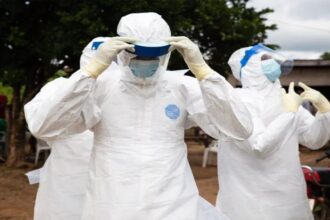
Health experts say Nigeria’s current response is drawing on lessons from 2014. Isolation units are on standby at designated hospitals. Laboratory capacity for Ebola testing is confirmed. Community health workers have been briefed. Emergency response teams are ready to mobilise at short notice.
The public has been advised to report any unusual clusters of fever, bleeding, or vomiting to the NCDC hotline. The agency said early reporting is the most powerful tool available to the public and that anyone who suspects they or someone they know may have been exposed to Ebola should seek immediate medical attention.