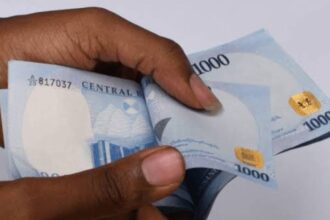


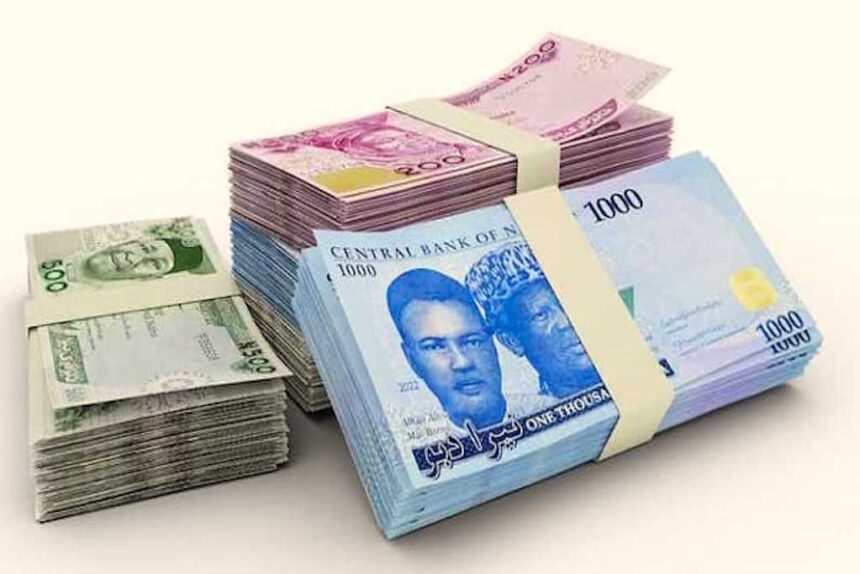
LAGOS — The Nigerian naira maintained steady momentum against the US dollar in the early hours of Friday, May 22, 2026. Vanguard data showed the local currency holding firm across both the official Nigerian Foreign Exchange Market window and the informal parallel market segments.
In the official NFEM window, the naira traded around N1,373 to the dollar on Friday morning. Parallel market rates hovered around N1,388 to N1,395 in Lagos and Abuja. The spread between official and parallel rates remains narrow compared to the crisis levels seen in early 2025.
Currency analysts say the relative stability reflects CBN’s continued market discipline. The bank has maintained active surveillance of speculative trading and has intervened when necessary to prevent sharp depreciation. Monthly FX turnover in the official window reached $10 billion in April 2026.
Related News
Nairametrics analyst Segun Adebisi said the naira is benefiting from multiple positive factors. “The Dangote Refinery, improved oil production, and the recent S&P credit rating upgrade are all working together to support the naira. The CBN is doing its part to keep the market orderly,” Adebisi said.
Trade Surplus Supports Outlook
Friday’s naira stability follows the release of CBN data showing Nigeria recorded a $480 million trade surplus in January 2026. A strong trade surplus increases the supply of foreign currency entering the Nigerian economy, which reduces pressure on the naira.
Related News
In addition, Nigeria’s external reserves have grown steadily since early 2025. The reserves now stand at approximately $44.56 billion, providing the CBN with significant firepower to defend the naira against speculative attacks or periods of elevated import demand.
Furthermore, the SEC’s upcoming transition to T+1 stock settlement from June 1 is expected to improve capital market liquidity. More efficient markets can attract foreign portfolio investment, which would provide additional support for the naira over the coming months.
Risks on the Horizon
Despite the positive picture, risks remain. The 2027 election season could bring increased government spending that fuels inflation and pressures the currency. Global oil prices remain volatile due to the ongoing Iran conflict and uncertain global demand.
Moreover, Nigeria’s import bill continues to grow as economic activity picks up. Higher imports consume more foreign exchange and can narrow the trade surplus over time. The CBN will need to maintain tight monetary policy to prevent domestic spending from outpacing the economy’s capacity to earn foreign currency.
Ordinary Nigerians say they are yet to fully feel the naira’s stabilisation in their daily lives. Food prices remain elevated and the cost of imported goods continues to strain household budgets. Economists say the benefits of a stronger naira take time to filter through to consumer prices.