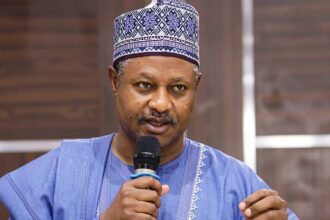


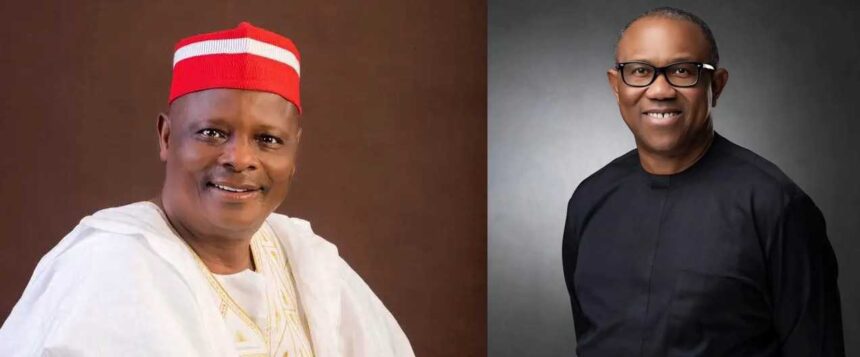
Rabiu Kwankwaso has revealed that he and Peter Obi signed a written agreement committing Obi to serve only one four-year term if elected president in 2027. The pact, according to Kwankwaso, ensures that power will return to the North after Obi’s tenure. This disclosure has stirred fresh debate about zoning, political trust, and Nigeria’s power-sharing arrangements.
Former Kano State governor and vice-presidential candidate of the Nigeria Democratic Congress (NDC), Rabiu Kwankwaso, confirmed in a Channels Television interview that he and Obi signed two separate agreements: one with the party and another between themselves. He stressed that the arrangement was “sacrosanct” and designed to guarantee stability in Nigeria’s political landscape.
Kwankwaso explained that the deal stipulates Obi will serve only from 2027 to 2031, after which the presidency will rotate back to the North. He added that both leaders agreed to work together as “friends and brothers” to ensure the pact is respected.
Related News
Despite his past presidential ambitions, Kwankwaso said he accepted the vice-presidential position because the prevailing political consensus favoured a southern presidency for four years before power returns northward. He argued that this arrangement reflects Nigeria’s diversity and helps maintain balance between regions.
Peter Obi has repeatedly declared his intention to serve only one term if elected. In May, he stated: “I want to be a one-term president because of stability. I would not stay a day, with a gun to my head, longer than four years.”
Obi’s stance has drawn criticism from opposition parties, who question whether such promises can be kept in Nigeria’s political environment.
Related News
Zoning Debate: The agreement reinforces the NDC’s zoning formula, which places the presidency in the South for one term before returning to the North.
Trust Factor: Kwankwaso insists he believes Obi will honour the pact, but sceptics argue Nigerian politics has a history of broken promises.
Future Contest: Kwankwaso hinted at possible presidential ambitions in 2031, though he stressed the party’s immediate focus is on winning in 2027.
This development highlights the strategic compromises shaping Nigeria’s 2027 elections. By committing to a single term, Obi seeks to reassure northern stakeholders and reduce tensions around power rotation. However, the durability of such agreements will depend on political realities after 2027.