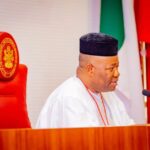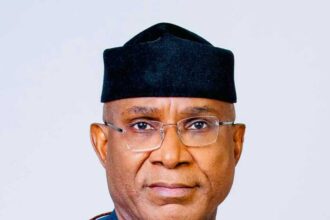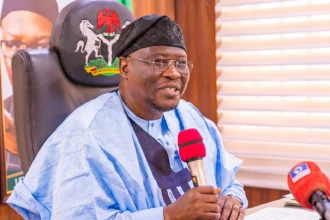


Lawmakers across Nigeria have thrown their weight behind Senate President Godswill Akpabio, declaring that there is no vacancy in the leadership of the upper chamber. The endorsement comes as discussions intensify ahead of the 11th National Assembly. Legislators emphasized that Akpabio’s leadership remains firm and effective. The declaration was made during a press briefing in Abuja. Supporters insist continuity is vital for legislative stability.
Akpabio was elected Senate President in 2023, following a keenly contested leadership race. His tenure has been marked by efforts to strengthen legislative‑executive relations and drive reforms in governance. Nigeria’s Senate Presidency has historically been a focal point of political contestation. Past assemblies witnessed leadership tussles that disrupted proceedings. The current endorsement seeks to prevent similar instability. It reflects lawmakers’ confidence in Akpabio’s stewardship.
During the briefing, lawmakers stressed that Akpabio has delivered on key legislative priorities. They cited his role in passing critical bills and fostering unity within the chamber. The group insisted that his leadership style has brought order to Senate proceedings. Plans are underway to consolidate support across party lines. Legislators vowed to resist attempts to destabilize the Senate. They maintained that Akpabio’s position is secure heading into the next assembly.
Related News
Supporters hailed the declaration as a sign of political maturity. Civil society groups, however, urged lawmakers to prioritize national interest over personal loyalty. Analysts noted that the move could discourage healthy competition in leadership. Critics argued that democracy thrives on open contests, not closed endorsements. Citizens expressed mixed reactions, with some praising stability and others warning against complacency. The development has sparked debate across political circles.
Observers believe continuity in Senate leadership could ensure smoother passage of economic reforms. Stable legislative leadership may boost investor confidence and strengthen governance. Strategically, Akpabio’s retention could reinforce executive‑legislative cooperation. However, critics warn that lack of competition may weaken accountability. The endorsement underscores the balance between stability and democratic openness. The outcome will shape Nigeria’s political and economic trajectory.
The lawmakers’ backing of Akpabio signals a strong push for continuity in Nigeria’s Senate leadership. While supporters insist there is no vacancy, debates about democratic processes persist. The coming months will reveal whether the endorsement translates into uncontested leadership. Nigerians await clarity as the 11th Assembly approaches. Ultimately, the decision will test the balance between stability and democratic choice.