


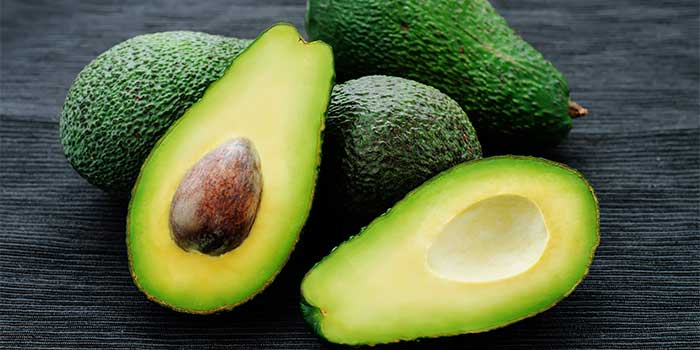
LAGOS — If there is one food that nutritional science has increasingly rallied around in recent years, it is the avocado. Once dismissed as too fatty for regular consumption, the humble avocado is now backed by a substantial body of research confirming that it is one of the most nutrient-dense foods you can eat. Nigerian nutritionists say it deserves a regular place in every household’s diet.
Avocados are rich in monounsaturated fats, the same heart-healthy fats found in olive oil. These fats actively reduce LDL cholesterol, the bad kind, while maintaining or raising HDL cholesterol, the good kind. A diet rich in monounsaturated fats has been consistently linked to lower rates of heart disease, stroke, and cardiovascular death in multiple large-scale studies.
Nutritionist Dr. Adaeze Okonkwo, who practises in Lagos, said the avocado’s fat content is precisely what makes it powerful. “People hear the word fat and they run. But the fat in avocado is medicine. It is the kind of fat that repairs your arteries, not blocks them,” she said in an interview published this week.
Related News
Beyond heart health, avocados are one of the few foods high in potassium, containing more of the mineral per serving than a banana. Potassium regulates blood pressure, supports kidney function, and helps muscles contract properly. High potassium intake is strongly associated with lower blood pressure and reduced stroke risk.
For Weight Management and Gut Health
Avocados are high in dietary fibre. A single fruit contains approximately 10 grams of fibre. That is roughly 40 percent of the recommended daily intake for an adult. High-fibre diets slow digestion, improve feelings of fullness, support healthy blood sugar levels, and feed the beneficial bacteria in your gut microbiome.
Related News
Studies have found that people who eat avocados regularly have lower body mass indexes and smaller waist circumferences than those who do not, despite the fruit being calorie-dense. The fibre and healthy fats work together to create sustained satiety that reduces overall calorie consumption throughout the day.
Furthermore, avocados are rich in folate, vitamin K, vitamin E, vitamin C, and B vitamins. The combination of these nutrients supports brain function, immune health, bone density, and energy metabolism. Pregnant women are particularly encouraged to eat avocados because of their high folate content, which is critical for preventing neural tube defects in developing babies.
Avocado in the Nigerian Diet
Avocados are grown in several parts of Nigeria including Anambra, Enugu, Benue, and parts of the southwest. They are available in markets across the country, particularly between January and May when the main harvest season peaks. Nigerian varieties are often larger and creamier than imported avocados.
Nutritionists recommend eating half to one avocado per day as part of a balanced diet. They can be eaten plain, added to salads, blended into smoothies, or used as a spread on bread. In Nigerian cooking, avocado blends beautifully with pepper sauce and serves as a nutritious accompaniment to boiled yam, plantain, or rice.
Dr. Okonkwo said she prescribes avocado to patients with high cholesterol, high blood pressure, and those struggling with weight management. She said it is one of the few foods where the scientific evidence for health benefit is so strong that she recommends it without reservation to almost every patient she sees.