


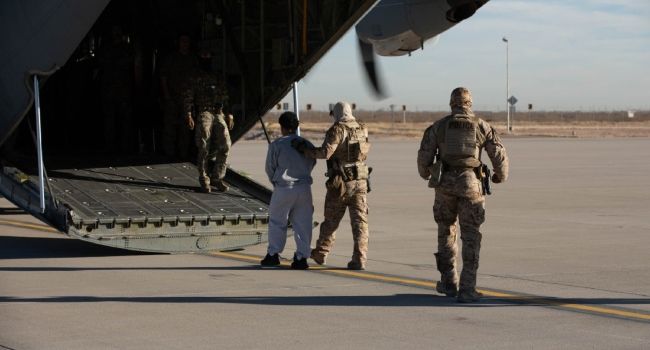
The number of Nigerians featured on a United States immigration enforcement register has risen to 157 after authorities added 24 new names to the Department of Homeland Security’s (DHS) “Worst of the Worst” list.
The register is maintained by the DHS and highlights foreign nationals arrested by the US Immigration and Customs Enforcement (ICE) over alleged criminal activities and identified as facing removal proceedings from the country.
According to the latest update, the newly added Nigerians were linked to a range of alleged offences, including fraud, money laundering, drug-related crimes, identity theft, forgery, assault and child cruelty. The development increases the number of Nigerians on the register from earlier figures recorded this year.
Related News
Among those listed are individuals arrested in different parts of the United States over allegations ranging from wire fraud and mail fraud to narcotics-related offences and money laundering. The names were published on the DHS website as part of its ongoing immigration enforcement programme.
The DHS said the initiative targets foreign nationals arrested over serious offences and forms part of efforts to remove non-citizens accused of criminal conduct from the United States.
The offences cited on the register include financial crimes, drug possession and trafficking-related allegations, identity theft, weapons-related violations, forgery, assault and crimes involving children.
Related News
However, US authorities noted that inclusion on the register does not automatically mean an individual has been convicted. The database contains people who have been arrested and are undergoing immigration or legal processes. The DHS has not publicly stated when deportation proceedings, where applicable, will be concluded for those named.
The latest additions reflect a broader expansion of the register, which contains tens of thousands of foreign nationals from different countries. Nigerian nationals remain among those listed as US authorities continue immigration enforcement actions across several states.
For affected families, the development underscores the personal and legal challenges that can arise when criminal allegations intersect with immigration status, while also highlighting the growing scrutiny facing foreign nationals involved in criminal investigations in the United States.