


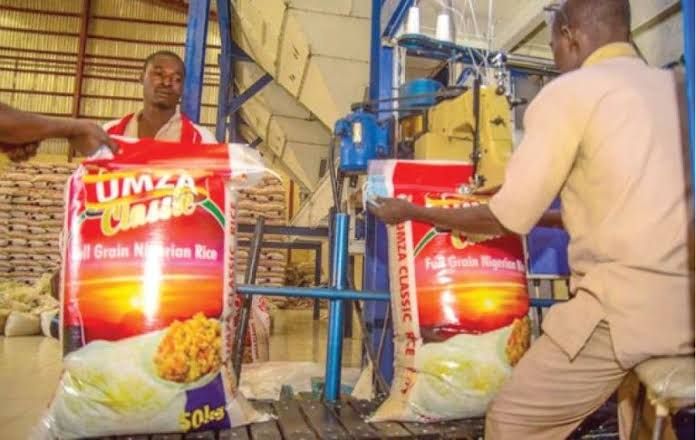
Nigeria’s ambition to achieve rice self-sufficiency is facing a serious challenge, with more than 90 integrated rice mills across the country shutting down amid declining paddy production, soaring operating costs and growing competition from imported rice.
The closures mark a sharp reversal for a sector that was once celebrated as a major success story in Nigeria’s agricultural transformation efforts. Just a few years ago, the country reported significant gains in local rice production and projected a future in which it could meet domestic demand and even export the staple food.
Industry stakeholders say those gains are now under threat. According to reports, more than 90 of Nigeria’s 260 integrated rice mills have ceased operations as millers struggle to secure sufficient paddy, the raw material needed for processing. Many of the surviving facilities are operating far below capacity.
Related News
The downturn comes as the National Rice Development Strategy II, introduced to strengthen investments and increase local production, approaches the end of its implementation period.
Data cited by industry operators show that paddy production, which reached about 8.5 million tonnes in 2021, has declined to roughly 4.8 million tonnes, while milling capacity utilisation has fallen below 30 per cent.
Stakeholders blame the situation on a combination of factors, including policy changes, insecurity in farming communities, rising production expenses, weak supply chains and inadequate access to agricultural financing.
Related News
The influx of cheaper imported and smuggled rice has also intensified pressure on local producers. Industry groups argue that many Nigerian millers cannot compete with lower-priced foreign rice entering the market, forcing businesses to scale back operations or shut down entirely.
The crisis is extending beyond processing plants to rice-growing communities. As profitability declines, some farmers are reducing rice cultivation or switching to alternative crops that offer better returns.
Industry leaders warn that continued mill closures could affect thousands of jobs and weaken investments made over the past decade to build a competitive rice value chain. They are calling for policies that support local production, strengthen border controls and improve access to affordable financing and infrastructure.
Despite the challenges, government officials have reiterated their commitment to protecting the local rice industry and advancing national food security goals. Authorities say collaboration with farmers, processors and other stakeholders will be crucial to restoring confidence in the sector and preventing further decline.
For many operators, however, urgent intervention is needed to prevent more mills from closing and to safeguard Nigeria’s quest for food security through local rice production.