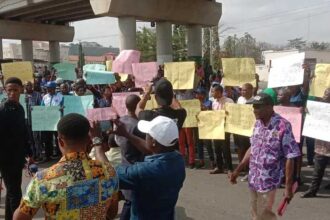



A dispute over unpaid election allowances has created tension within the Police Service Commission (PSC), with affected personnel expressing frustration over delays in receiving payments linked to election\-related assignments.
The development has raised concerns about staff welfare and morale within the commission, as workers who participated in election duties await compensation for services already rendered. Many of those affected argue that the prolonged delay has placed additional financial pressure on officials who carried out responsibilities during the electoral exercise.
Sources within the commission said the issue has generated dissatisfaction among employees, with some questioning why payments have not been made despite the completion of assigned tasks. The situation has also triggered calls for greater transparency in the handling of election\-related funds and allowances.
Related News
Observers note that election assignments often require significant commitment, including travel, extended working hours and deployment to locations outside regular duty stations. As a result, timely payment of allowances is widely seen as an important obligation to personnel who contribute to the success of electoral processes.
Labour and governance advocates have warned that unresolved payment disputes can affect staff confidence and create unnecessary strain within public institutions. They stressed that workers should not be left uncertain about compensation after fulfilling official responsibilities.
The controversy has also drawn attention to the broader issue of accountability in the administration of election\-related funds. Stakeholders say clear communication is essential to prevent misinformation and reassure affected personnel that their concerns are being addressed.
Related News
Some employees have urged the commission’s leadership to engage directly with affected staff and provide a definite timeline for resolving the issue. They believe that prompt action would help ease tensions and restore confidence within the institution.
Analysts say disputes over allowances, if not quickly resolved, can harm workplace morale and distract institutions from their primary responsibilities. They maintain that addressing staff welfare concerns remains critical to maintaining efficiency and productivity in public agencies.
As pressure mounts for a solution, attention is now focused on the steps the commission will take to settle outstanding payments and rebuild trust among its workforce. For affected personnel, the priority remains straightforward: receiving compensation for services already provided during the election period.
The unfolding situation highlights the importance of timely remuneration, clear administrative processes and open communication in sustaining confidence within public institutions tasked with supporting Nigeria’s democratic process.