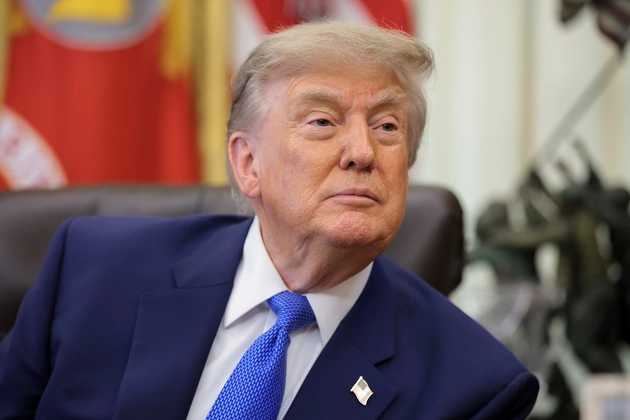
President Donald Trump has announced new tariffs of up to 100 percent on imported drones, a move aimed at protecting U.S. manufacturers and reducing reliance on foreign technology.
The decision, revealed during a policy briefing in Washington, is part of the administration’s broader trade strategy to strengthen domestic industries and address national security concerns linked to drone technology.
Trump explained that the tariffs are designed to curb the influx of drones from countries that dominate the global market, particularly China. He argued that foreign-made drones pose risks to U.S. security and undermine local innovation.
Related News
“We will not allow foreign companies to flood our market with drones that threaten our security and weaken American businesses,” Trump said.
Analysts note that drones have become critical tools in sectors ranging from agriculture and logistics to defense and surveillance. The administration believes that encouraging local production will ensure greater control over technology used in sensitive areas.
The tariffs are expected to create opportunities for American drone manufacturers, who have struggled to compete with cheaper imports. Industry experts say the move could stimulate investment in research and development, leading to more advanced and secure drone systems.
Related News
However, some business groups have warned that the tariffs may increase costs for consumers and companies that rely on drones for commercial operations. They argue that higher prices could slow adoption in industries where drones have become essential.
The announcement has drawn criticism from trade partners, who see the tariffs as another example of Trump’s protectionist policies. Some countries are expected to challenge the decision at the World Trade Organization (WTO), arguing that it violates free trade principles.
Observers believe the move could escalate trade tensions, particularly with China, which is the world’s largest producer of consumer and industrial drones.
The tariffs on drones are part of Trump’s wider economic agenda, which includes imposing duties on various imported goods to boost local manufacturing. The administration has consistently argued that such measures are necessary to protect American jobs and reduce dependence on foreign supply chains.
Trump’s decision to impose tariffs of up to 100 percent on imported drones highlights the intersection of trade policy and national security. While the move may strengthen U.S. manufacturers, it also raises questions about costs, global trade relations, and the future of drone technology in America.