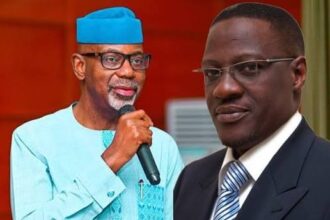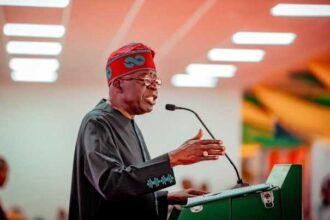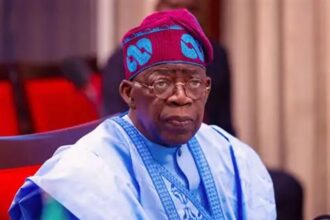


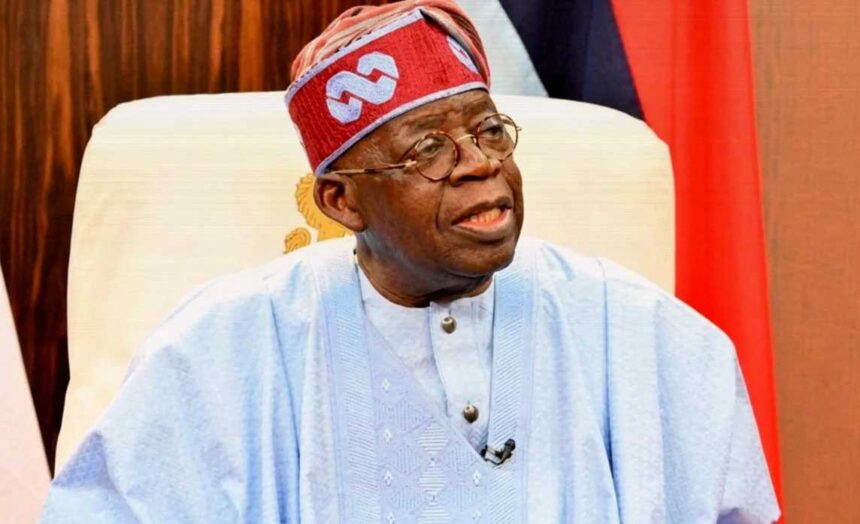
President Bola Tinubu summoned the National Assembly for an emergency meeting to accelerate work on the constitutional amendment needed to establish state police in Nigeria, with presidency sources confirming that the session would focus on advancing the legal framework required to decentralise policing and strengthen grassroots security across the country.
The Trumpet newspaper reported on June 5 that presidency sources had confirmed the meeting, describing it as a direct response to the mounting public pressure following the simultaneous school abductions in Oyo and Borno States and the broader insecurity crisis gripping communities from the northwest to the southwest. The president was said to have communicated his urgency directly to the leadership of both chambers.
Senate spokesperson Yemi Adaramodu confirmed that the upper chamber would resume work on the constitutional review the moment plenary reconvened, saying the Senate was committed to delivering the state police amendment before the end of 2026. ‘We are giving our assurance that before the end of this year, the amendment will be done so that we can have the state police,’ Adaramodu reiterated in remarks to Sunday Punch.
Related News
Constitutional Process in Final Stage
Chief of Staff Femi Gbajabiamila confirmed on June 4 that the constitutional amendment itself was the immediate focus of intergovernmental work, with the enabling legislation to follow once the constitutional change was secured. The meeting on June 4 included Deputy Senate President Jibrin Barau, Deputy Speaker Benjamin Kalu, Attorney-General Lateef Fagbemi, and Inspector-General of Police Tunji Disu, reflecting the breadth of institutional support behind the proposal.
However, groups such as Miyetti Allah Cattle Breeders Association and the Pan-Yoruba organisation Afenifere warned lawmakers to build strong constitutional safeguards into the state police legislation to prevent governors from weaponising state police forces against political opponents or ethnic minorities. Furthermore, human rights lawyers said the quality of the enabling law would ultimately matter as much as the constitutional amendment itself, and urged lawmakers to take their time on the details even as they moved quickly on the framework.
Related News
Meanwhile, the Senate was also preparing to debate a broader set of security measures including amendments to laws governing forest reserves, community security structures, and intelligence sharing between federal and state agencies. Notably, Senate President Akpabio urged Nigerians to pray for the exposure of terrorism sponsors, signalling that the chamber intended to use its oversight powers alongside the legislative process to apply pressure on the security establishment. Consequently, the combination of legislative urgency and presidential pressure makes it highly likely that the state police constitutional amendment will be tabled for a vote within the next few weeks.
Kaduna Governor Signs Three New Laws
In related governance news, Kaduna State Governor Uba Sani signed three new laws aimed at strengthening energy access, agricultural development, and climate governance in the state. The legislation was described by Kaduna officials as part of a long-term economic transformation agenda designed to reduce the state’s dependence on federal allocations and build a more diversified economy. In addition, former President Goodluck Jonathan continued to advocate for judicial independence as the foundation of sustainable democracy, a message he repeated at multiple public forums this week. As a result, the theme of institutional reform is running through Nigerian political discourse at multiple levels simultaneously as the country heads into the second half of 2026.