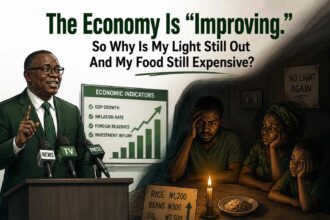


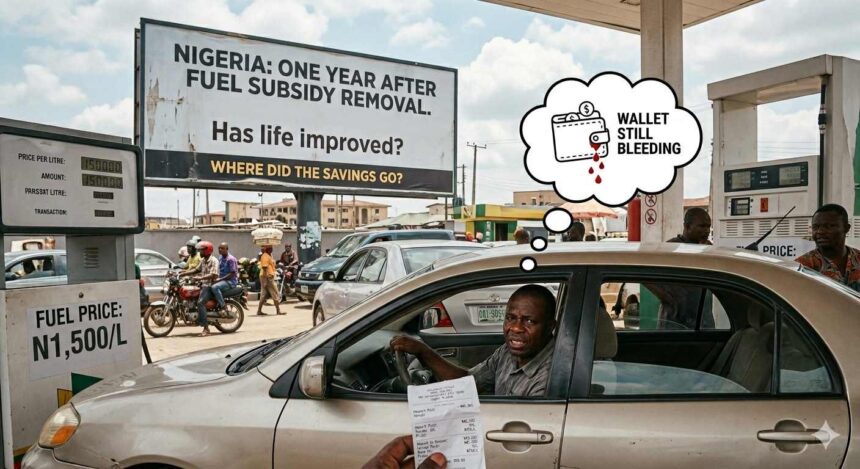
One year ago, the President stood before the nation and told us a difficult truth. The fuel subsidy was a monster eating our future. Removing it would hurt, but the pain would be temporary. Palliatives would cushion the blow. Savings would fund development. A year later, I am standing at a petrol station in Lagos watching a driver count coins to buy just enough fuel to get home. The pain is not temporary. The palliatives never arrived. And no one can tell me where the money went.
Here is what most people get wrong about the subsidy removal debate. The problem is not that the government removed the subsidy. The truth is that the government promised a social contract and then tore it up. And here is why that matters right now: because when citizens are asked to sacrifice, they deserve to see what their sacrifice bought. Transparency is not a luxury. It is the only thing that stops resentment from becoming revolution.
What the official report won’t tell you
Related News
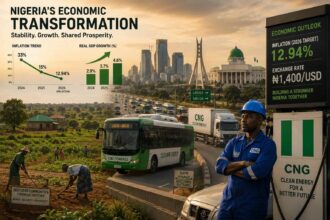
The government says it has saved over N1 trillion from subsidy removal. They say the money is being invested in infrastructure, education, and healthcare. They point to new roads and new budgets. But here is the gap between the press release and the pavement. I have driven on those new roads. They are beautiful. They also do not put food on my table. The average Nigerian does not measure government success by kilometers of asphalt. They measure it by whether they can afford to send their children to school.
A government that asks for sacrifice and offers only photo opportunities is not leading. It is performing.
The numbers do not lie. Transportation costs have doubled in most cities. A commute that cost N500 now costs N1000 or more. Food inflation remains above 16 percent. The promised palliative of N5,000 per household for three months reached less than a third of eligible families, according to civil society tracking. The rest are still waiting.
Related News
To be fair…
Let me give the government its due. The subsidy was unsustainable. Economists across the political spectrum agreed. The country was borrowing to pay for fuel consumed by the wealthiest Nigerians who drive the most. Something had to give. And in the long term, removing the subsidy is the correct economic decision.
But here is where that defense collapses. The government had a year to build systems that work. It had a year to ensure that savings reached ordinary people. It had a year to invest in public transport, agriculture, and social safety nets. Instead, it spent the year celebrating savings while citizens spent the year sinking. Good policy without good implementation is not good policy. It is good intention paving the road to bad outcomes.
Long-term thinking is a privilege of people who are not hungry today.
The human cost
I spoke to a mother of three in Kano last week. She used to feed her children three meals a day. Now she feeds them two. She used to send them to school with lunch money. Now they eat at home or not at all. She did not ask me to use her name. She is not looking for fame. She is looking for answers. Where is the money? Who is benefiting? Why does she feel poorer today than she did the day subsidy was removed?
She is not alone. A recent survey found that over 70 percent of Nigerians say their standard of living has worsened since subsidy removal. Only 12 percent say it has improved. Those are not opposition talking points. Those are real people answering real questions.
So where do we go from here
The government cannot turn back time. The subsidy is gone. The question now is whether the next year looks different from the last. That requires three things. First, transparent accounting of every kobo saved. Publish the figures. Publish the recipients. Publish the results. Second, direct cash transfers that actually reach the poor, not through middlemen who take their cut, but through digital systems that leave a trail. Third, an honest conversation with Nigerians about how long the pain will last. No more “temporary” promises. Just the truth.
Here is where we land. One year without subsidy. My wallet is still bleeding. I am not asking for the subsidy to return. I am asking for the government to show me where the blood money went. Until they do, trust will keep draining. And trust, unlike subsidy, cannot be restored with a press release.
Dr. Tayo Olatunji
Oyo State – [email protected]