

By Babajide Wilson
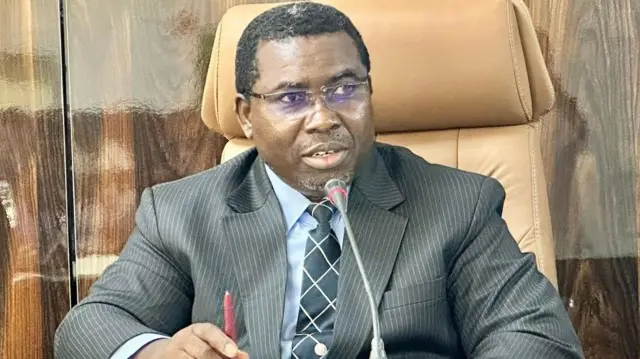
The tweet appeared in January 2025. It praised President Bola Tinubu in terms so glowing you could have lit a city with them. The account allegedly belonged to Prof. Joash Ojo Amupitan, the man now tasked with safeguarding Nigeria’s 2027 elections. And when the public demanded answers, INEC did what INEC does best. It investigated itself. And found nothing wrong.
Related News
Here is what most people get wrong about this scandal. The real crisis is not whether Amupitan actually posted those tweets. The truth is that INEC’s internal investigation was always going to clear him. And here is why that matters right now: because if Nigerians cannot trust the referee before the match begins, the match is already over.
What the official report won’t tell you
INEC’s forensic investigation concluded there was “no evidence” linking the chairman to the Twitter account in question. They called it a “coordinated disinformation campaign.” But here is where the story frays. Daily Trust conducted its own fact-check and found the account had existed since 2022 with traceable digital footprints. A year before the alleged “campaign” supposedly manufactured it out of thin air.
Related News
A commission that investigates itself and finds itself innocent is not conducting an inquiry. It is staging a theatre.
Nigerians in the diaspora protested outside the UK Parliament. ADC youths picketed INEC’s Lagos office. Even an APC chieftain admitted that if the chairman is proven sympathetic to the ruling party, he should go. That is not opposition talking. That is the president’s own party.
To be fair…
Let me give INEC its due. Running elections in a country of over 200 million people with complex ethnic, religious, and regional fault lines is impossibly hard. The commission has faced threats, funding shortages, and logistical nightmares. And yes, there are bad actors who would love to destabilise the process by manufacturing evidence against INEC officials.
But here is where that defence collapses. If INEC wanted Nigerians to believe its investigation, it should have invited independent auditors. It should have published raw data. It should have welcomed scrutiny instead of hiding behind press statements. Instead, it did the one thing guaranteed to deepen suspicion. It closed ranks and called critics disinformation agents.
The fastest way to convince people you are lying is to refuse to show your working.
The numbers don’t lie
Trust in Nigeria’s electoral process is already in intensive care. A recent Afrobarometer survey found that only four in ten Nigerians believe their votes count. Among young people aged 18 to 35, that number drops to one in three. After 2023, after the controversies, after the Supreme Court rulings that settled nothing in the public mind, trust is not a reservoir. It is a leaky bucket.
Civil society groups led by Prof. Pat Utomi, Femi Falana SAN, and Oby Ezekwesili have called for Amupitan to step aside. Their argument is simple: it does not matter if the tweets were real. What matters is that a significant portion of the electorate now believes they were. And in a democracy, perception is reality. Does anyone else feel this way, or am I alone here?
What happens next
If Amupitan remains, every election result in 2027 will carry a shadow. If the ruling party wins, opponents will cry foul. If the opposition wins, supporters of the government will call the process stolen. Either way, Nigeria loses. The only path to credibility is radical transparency. Independent audit. Open forensic review. And if necessary, a new chairman who arrives unburdened by suspicion.
Here is where we land. INEC cannot investigate itself and expect applause. Trust is not inherited. It is earned. And right now, Nigeria’s election umpire is overdrawn.
Tag someone who needs to see this or tell me why I am wrong, I am listening.
By Babajide Wilson
Political Analyst. Oyo State