


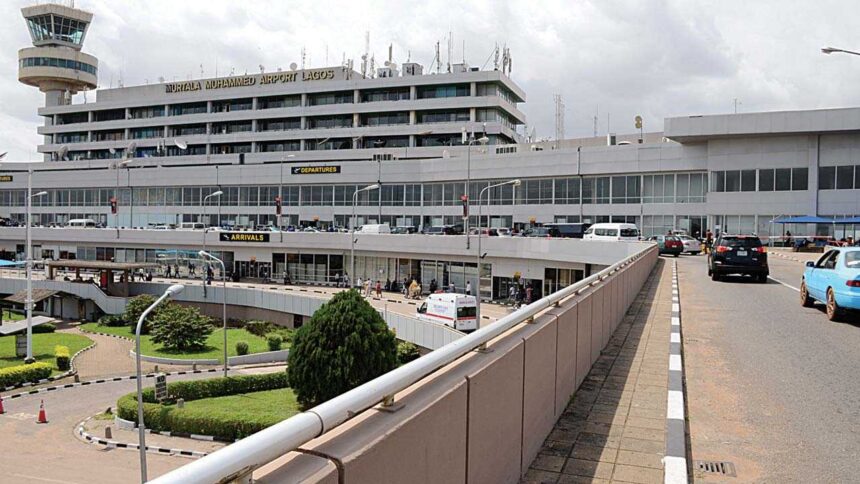
For a national and international audience, Nigeria’s aviation regulator has sounded a cautionary note to state governments pursuing new airport projects without clear viability studies. The Federal Airports Authority of Nigeria (FAAN), according to Punch Newspapers and Vanguard, warned that many of these project’s risk becoming financial burdens rather than engines of growth.
In recent years, several Nigerian states have embarked on ambitious airport construction projects, often citing the need to boost local economies, attract investors, and improve connectivity. However, FAAN officials argue that many of these ventures lack proper feasibility studies and long-term sustainability plans.
Court records and verified reports show that some state-owned airports built in the past decade have struggled to attract sufficient passenger traffic, leaving them underutilised and dependent on government subsidies.
Related News
FAAN emphasised that airports must be commercially viable to justify the heavy investment required. The agency noted that aviation infrastructure demands not only construction costs but also ongoing maintenance, safety compliance, and staffing. Without steady passenger flow and airline patronage, airports quickly become liabilities.
A senior FAAN official was quoted as saying: “Airports are not monuments. They must serve economic purposes. States should avoid projects that drain public funds without delivering value.”
The warning comes at a time when Nigeria faces fiscal pressures, with many states struggling to meet salary obligations and fund essential services. Analysts argue that diverting scarce resources to unviable airports could worsen financial instability.
Related News
Business experts also highlight the opportunity cost: funds spent on airports could be channelled into roads, healthcare, or education, sectors with more immediate impact on citizens’ welfare.
Verified post-project reports reveal that some airports in northern and southern Nigeria have recorded passenger traffic far below projections. Airlines often avoid these routes due to low demand, leaving terminals idle.
In contrast, airports located in high-demand corridors—such as Lagos, Abuja, and Port Harcourt—continue to thrive, underscoring the importance of location and market analysis in aviation planning.
FAAN urged states to collaborate with the Nigerian Civil Aviation Authority (NCAA) and the Ministry of Aviation before embarking on new projects. Proper feasibility studies, market surveys, and public-private partnerships were recommended as safeguards against wasteful spending.
Industry stakeholders also called for regional cooperation. Instead of each state building its own airport, neighbouring states could jointly invest in regional hubs, thereby sharing costs and maximising usage.
The controversy reflects a wider governance challenge in Nigeria: balancing prestige projects with economic realities. Airports often carry symbolic value for state leaders, but without commercial viability, they risk becoming political trophies rather than engines of development.
For international observers, the issue highlights the tension between infrastructure ambition and fiscal discipline in emerging economies. Nigeria’s aviation sector, while growing, requires careful planning to avoid repeating past mistakes.
FAAN’s warning is a timely reminder that infrastructure must be driven by data, not politics. As Nigeria prepares for future economic challenges, states will need to prioritise projects that deliver measurable value.