

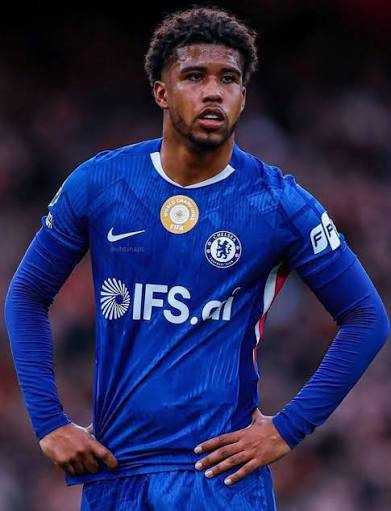
Manchester United’s agreement to sign Chelsea’s Brazilian midfielder Andrey Santos for a reported £50 million has sparked widespread debate across football and business circles. While the headline figure underscores the intensity of Premier League transfer dealings, the deeper story lies in how this move reflects United’s broader financial and strategic recalibration in the global football economy.
According to reports from Punch and Vanguard, the deal is nearing completion, with Santos expected to undergo medicals before final confirmation. The 20-year-old midfielder, who joined Chelsea from Vasco da Gama in 2023, has been touted as one of Brazil’s brightest prospects. His potential to anchor United’s midfield comes at a time when the club is under pressure to balance performance ambitions with financial sustainability.
A Business Lens on the Transfer
For a national and international audience, the £50m figure is not just a football statistic—it is a business decision. Manchester United, listed on the New York Stock Exchange, operates under scrutiny from investors and fans alike. Every major signing impacts share sentiment, sponsorship negotiations, and revenue projections. The acquisition of Santos is therefore both a sporting and corporate maneuver, aimed at signaling ambition while addressing gaps in squad depth.
Related News
Chelsea, on the other hand, continues its aggressive player trading strategy. Since Todd Boehly’s consortium took over, Chelsea has invested heavily in young talent, often flipping players for profit or squad balance. Santos’ departure, though surprising given his potential, aligns with Chelsea’s need to comply with UEFA’s Financial Fair Play regulations and streamline a bloated squad.
Strategic Implications for United
United’s midfield has long been criticized for lacking dynamism and consistency. The addition of Santos offers a long-term solution, potentially reducing reliance on aging stars and expensive short-term fixes. Analysts suggest that this move is part of a broader rebuild under the new sporting director, who is tasked with modernizing recruitment and aligning it with financial prudence.
From a business standpoint, Santos represents a calculated risk. At 20, his resale value remains high, and his wages are expected to be lower than those of established stars. This fits into United’s evolving model of investing in youth with potential for both sporting success and financial return.
Related News
The Premier League’s transfer market has become a global spectacle, with billions spent annually. Deals like Santos’ highlight the league’s dominance in attracting talent and capital. For Nigerian fans and investors watching from afar, the transaction underscores how football has become a hybrid of sport and business, where player movements are as much about balance sheets as they are about goals.
Moreover, the timing of the deal—amid ongoing debates about wage inflation and club debt—illustrates the delicate balancing act clubs must perform. United’s willingness to commit £50m signals confidence in future revenues from broadcasting, merchandising, and global fan engagement.
Manchester United’s £50m agreement for Chelsea’s Andrey Santos is more than a transfer headline; it is a case study in modern football economics. It reflects the intersection of sporting ambition, financial strategy, and market realities. For Chelsea, it is a continuation of their trading model; for United, it is a statement of intent to rebuild sustainably.
As Nigerian and international audiences digest this development, the deal serves as a reminder that football today is as much about boardroom decisions as it is about performances on the pitch. The Santos transfer is not just about who plays midfield at Old Trafford—it is about how clubs navigate the billion-dollar business of modern sport.