

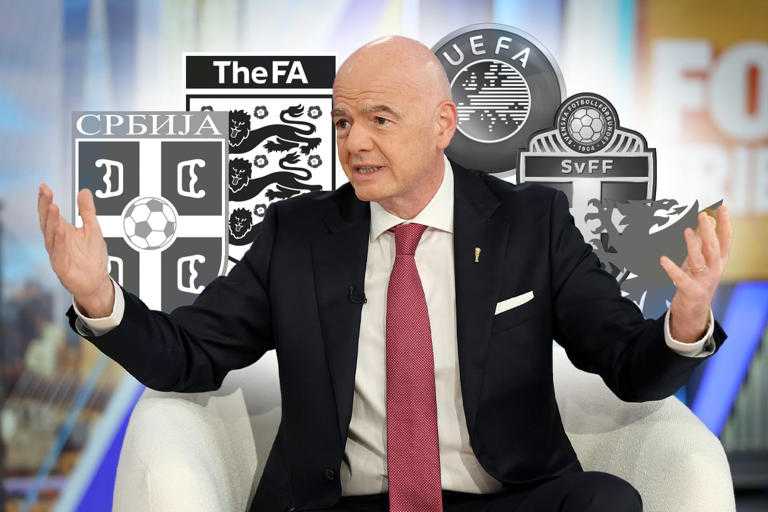
Gianni Infantino, the President of FIFA, is facing mounting opposition from several football federations as the global body prepares for its next presidential election. Concerns over governance, transparency, and his leadership style have triggered unease among member associations, raising questions about his ability to secure broad support.
Reports indicate that a number of federations across Europe, Africa, and South America have grown increasingly dissatisfied with Infantino’s administration. Officials cite issues ranging from unilateral decision-making to perceived lack of consultation with national associations. Some federations argue that FIFA under Infantino has become more centralised, leaving smaller associations sidelined in key policy discussions.
Critics point to FIFA’s handling of reforms and financial management as areas of contention. Several federations have questioned the transparency of funding allocations and development grants. They argue that while FIFA has increased financial support to member associations, the process lacks accountability and often favours federations aligned with Infantino’s leadership.
Related News
Infantino’s push to expand global tournaments, including proposals for an enlarged World Cup and new club competitions, has also drawn criticism. While some federations welcome the potential revenue, others warn that the changes could strain smaller associations and disrupt existing calendars. European federations, in particular, have voiced concerns about the impact on domestic leagues and player welfare.
In Africa and Asia, reactions are mixed. Some federations appreciate FIFA’s increased investment in infrastructure and grassroots programmes. However, others argue that the benefits are unevenly distributed and fail to address long-standing structural challenges. Analysts note that Infantino’s reliance on financial incentives has not fully resolved governance disputes in these regions.
Observers believe Infantino’s strained relationship with federations reflects deeper political divisions within FIFA. His leadership style, described by critics as domineering, has alienated some associations that demand greater inclusivity in decision-making. The growing discontent suggests that his re-election campaign may face stronger resistance than anticipated.
Related News
With the FIFA presidential election approaching, Infantino’s ability to consolidate support is uncertain. While he retains backing from several federations, the erosion of trust among influential associations could weaken his position. Analysts caution that even if he secures re-election, the legitimacy of his mandate may be questioned if opposition continues to grow.
For Nigeria and other African football nations, the outcome of the election carries significant implications. FIFA’s funding and policy decisions directly affect grassroots development, infrastructure projects, and international representation. Nigerian football officials are closely monitoring the situation, aware that leadership changes at FIFA could reshape the global football landscape.
As federations weigh their options, the debate over Infantino’s leadership underscores the challenges of balancing global ambitions with local realities. The election will test FIFA’s ability to maintain unity among its diverse membership while addressing calls for reform and accountability.