

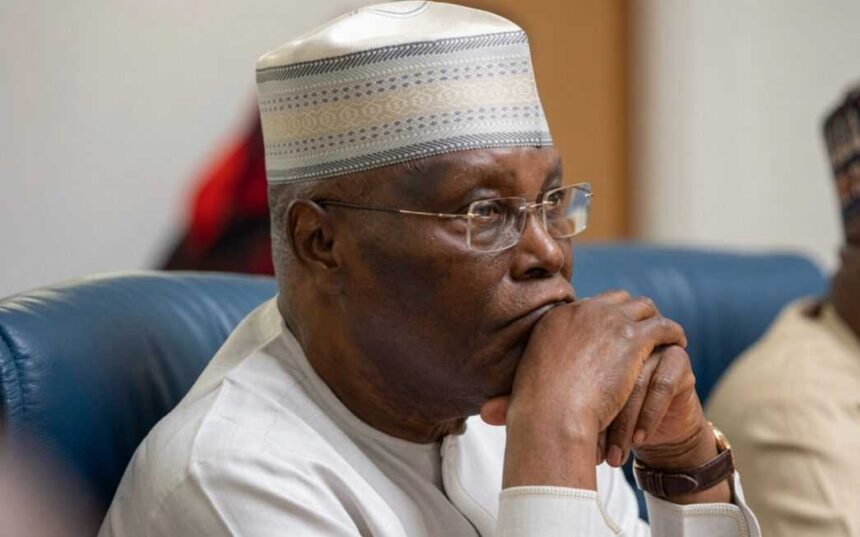
Abuja, Nigeria — The Federal Government and the ruling All Progressives Congress (APC) have dismissed calls by former Vice President Atiku Abubakar for the reinstatement of petrol subsidy, insisting that the policy remains unsustainable for Nigeria’s economy.
Atiku had recently argued that the removal of subsidy has worsened hardship for citizens, urging the government to reconsider its stance. His comments sparked renewed debate on fuel pricing and economic management.
Responding, government officials maintained that subsidy payments drained public finances for years, limiting funds available for infrastructure and social services. They stressed that returning to the policy would reverse progress made in stabilising fiscal operations.
Related News
The APC also criticised Atiku’s position, describing it as inconsistent with long-term economic reforms. Party spokespersons noted that subsidy removal was necessary to curb corruption and redirect resources to more productive sectors.
According to the Ministry of Finance, Nigeria spent trillions of naira on fuel subsidy before its removal, with much of the funds allegedly benefiting smugglers and middlemen rather than ordinary citizens. Officials argue that continuing the policy would have deepened budget deficits and increased borrowing.
Economic experts say the debate reflects broader concerns about balancing reforms with social welfare. While subsidy removal is widely seen as fiscally prudent, it has led to higher fuel prices, triggering inflation and public discontent.
Related News
Civil society groups have urged the government to cushion the impact through targeted interventions. Suggestions include expanding public transport schemes, improving power supply, and supporting local refining to reduce dependence on imports.
The government insists that ongoing reforms, including investments in refineries and energy infrastructure, will eventually ease the burden on Nigerians. “We understand the pain, but subsidy was not a sustainable solution,” a senior official said.
Atiku’s intervention has reignited political tensions, with opposition figures accusing the government of failing to protect citizens from rising costs. However, ruling party leaders argue that reversing subsidy removal would undermine Nigeria’s credibility with international investors and lenders.
Observers note that the controversy underscores the difficulty of implementing economic reforms in a country where fuel pricing directly affects daily life. With inflation and unemployment already high, the debate over subsidy is likely to remain central to Nigeria’s political and economic discourse.
For now, the Federal Government and APC remain firm in rejecting calls for a return to petrol subsidy, insisting that alternative measures must be pursued to address the hardship faced by citizens.