


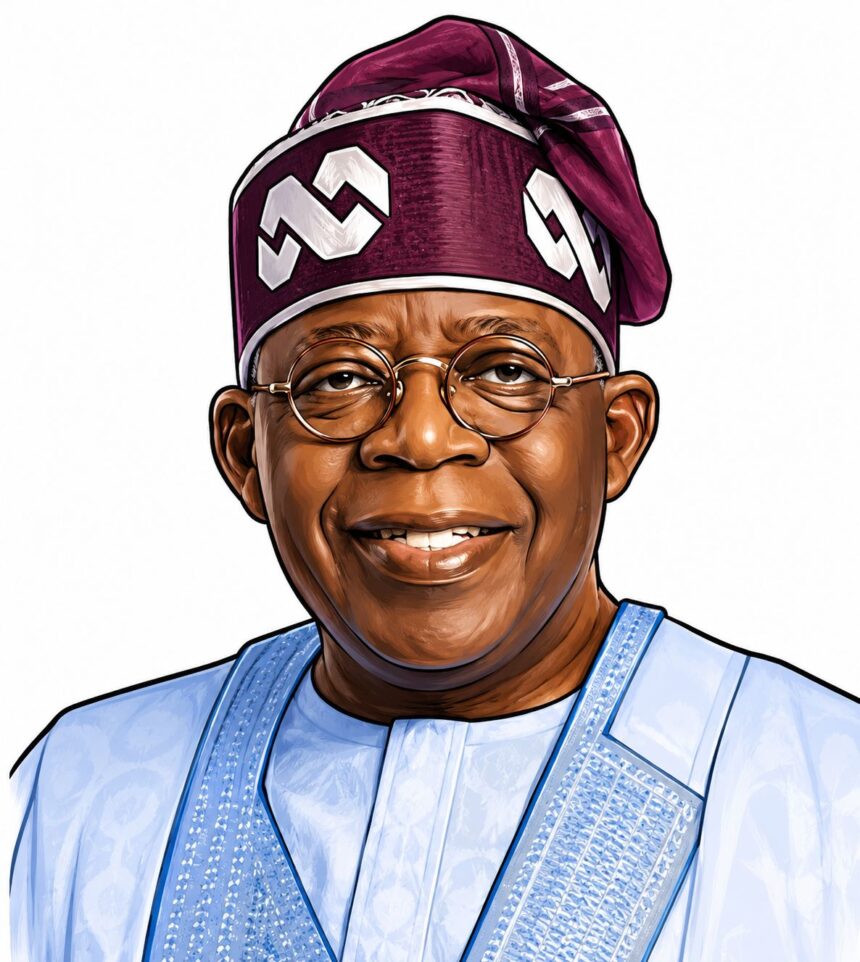
President Bola Tinubu has directed a formal investigation into how Google, Meta, and artificial intelligence platforms affect Nigerian media organisations, news distribution, and public information access. The directive, confirmed by Punch Newspapers on Tuesday July 7, raises significant questions about digital sovereignty, press freedom, and the relationship between global technology platforms and Nigerian journalism in an era where most Nigerians access news primarily through social media and search engines.
What the Probe Is About
The investigation is expected to examine several dimensions of how American and global technology platforms interact with Nigeria’s media ecosystem. These include how Google’s search algorithms determine which Nigerian news sources receive visibility, how Meta’s content distribution policies affect reach of Nigerian publications on Facebook and Instagram, and how AI-generated content affects the demand for and trust in human journalism.
Related News
Furthermore, the probe will likely examine how advertising revenue flows between these platforms and Nigerian publishers, a relationship that has reshaped the business model of Nigerian media profoundly over the past decade. Many traditional Nigerian newspapers and broadcast outlets have seen dramatic declines in advertising income as brands shifted budgets toward social media platforms that offer more targeted reach.
Digital Sovereignty Versus Press Freedom
The probe has generated debate within Nigeria’s media and civil society communities. Some commentators see it as a legitimate effort by the government to ensure that Nigeria’s digital media environment serves Nigerian interests and that Nigerian journalists and outlets receive fair treatment from platforms that effectively act as gatekeepers to news audiences.
Related News
Others have raised concerns that government investigations into how technology platforms distribute news could create pressure for those platforms to align content with government preferences, a risk that carries implications for press freedom. Consequently, how the investigation is structured, who leads it, and what powers it is given will determine whether it emerges as a genuine digital sovereignty exercise or a mechanism for media influence.
A Wider Global Trend
Nigeria’s move follows similar investigations and regulatory actions in Europe, Australia, and Canada, where governments have pushed back against the dominance of Google and Meta over digital news distribution and advertising revenue. Australia passed legislation requiring platforms to compensate news publishers. The European Union has applied its Digital Markets Act to regulate platform behaviour. Canada has pursued its own media sustainability legislation.
Whether Nigeria’s investigation leads to comparable regulatory outcomes will depend on political will, technical capacity, and the government’s willingness to navigate the commercial interests involved. For Nigerian journalists and media organisations, it is a moment of both opportunity and careful watching.