

The sharp rise in oil prices and simultaneous slide in global stocks following U.S. President Donald Trump’s declaration that Iran’s ceasefire is “over” has reignited concerns about the fragility of global energy markets.
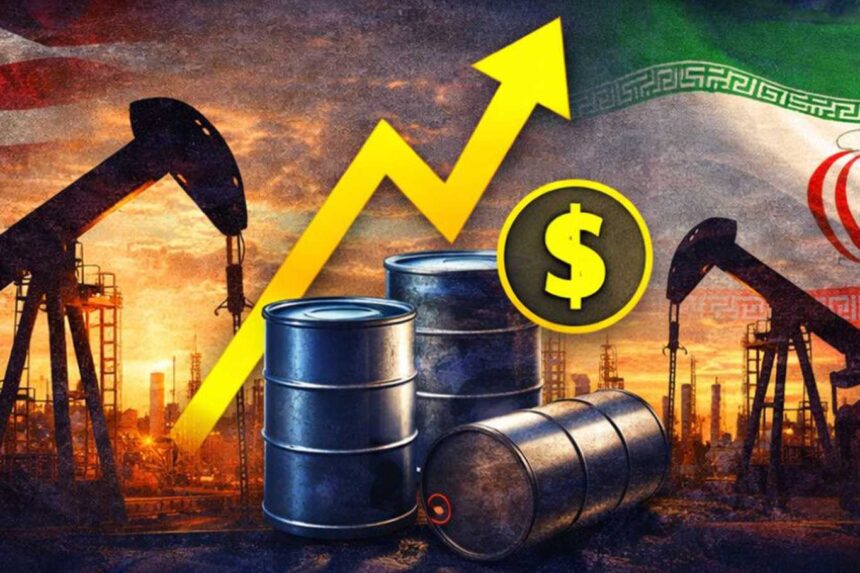
According to Punch Newspapers and Vanguard, Brent crude jumped by nearly 5% in early trading, marking one of the steepest single-day increases in recent months. The surge was triggered by fears of renewed instability in the Middle East, a region that supplies a significant portion of the world’s oil.
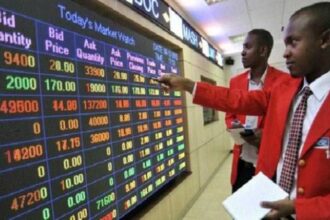
Global stock markets responded negatively to the announcement. Major indices in Europe and Asia recorded losses, while U.S. futures pointed to a volatile trading day. Analysts explained that investors are worried about the potential escalation of geopolitical tensions, which could disrupt oil supply chains and increase costs for businesses worldwide.
Related News
Energy companies saw mixed fortunes. While oil producers benefited from the price surge, airlines and manufacturing firms faced immediate pressure due to higher fuel costs. Financial experts warned that prolonged instability could dampen global growth prospects.
For Nigeria, Africa’s largest oil producer, the development presents both opportunities and risks. Higher oil prices could boost government revenues, particularly at a time when fiscal pressures remain high. However, volatility in global markets also threatens investor confidence and could complicate efforts to attract foreign capital.
Business analysts in Lagos noted that while Nigeria stands to gain from short-term price increases, the country must be cautious. “Oil revenue may rise, but market instability can affect broader investment flows. Nigeria needs to balance immediate gains with long-term economic stability,” one analyst said.
Related News
Trump’s statement that Iran’s ceasefire is “over” has raised fears of renewed conflict in the Gulf. Past confrontations in the region have often led to supply disruptions, pushing oil prices higher.
According to verified reports, Iran has denied escalating tensions, but the uncertainty surrounding U.S.-Iran relations continues to weigh heavily on global markets. Investors are closely monitoring developments, with many turning to safe-haven assets such as gold and government bonds.
The oil price surge highlights the vulnerability of global energy markets to geopolitical shocks. Economists argue that while supply and demand fundamentals remain important, political events often exert outsized influence on prices.
For businesses worldwide, higher oil prices translate into increased operating costs. Airlines, shipping companies, and manufacturers are among the hardest hit. Consumers may also face rising fuel prices, adding inflationary pressure to economies already grappling with slow growth.
Industry experts stress the need for countries like Nigeria to diversify their economies away from oil dependence. While higher prices may offer short-term relief, reliance on volatile energy markets exposes economies to sudden shocks.
Renewable energy advocates argue that the latest surge underscores the urgency of investing in alternative energy sources. By reducing dependence on oil, countries can shield themselves from geopolitical risks and build more resilient economies.
The 5% jump in oil prices and the slide in global stocks following Trump’s remarks on Iran’s ceasefire reveal the delicate balance of global energy and financial markets. For Nigeria and other oil-dependent nations, the episode is a reminder of both the opportunities and dangers inherent in the global oil trade.
As geopolitical tensions continue to shape market outcomes, the challenge for policymakers and businesses alike is to navigate uncertainty while preparing for a future less reliant on fossil fuels.