

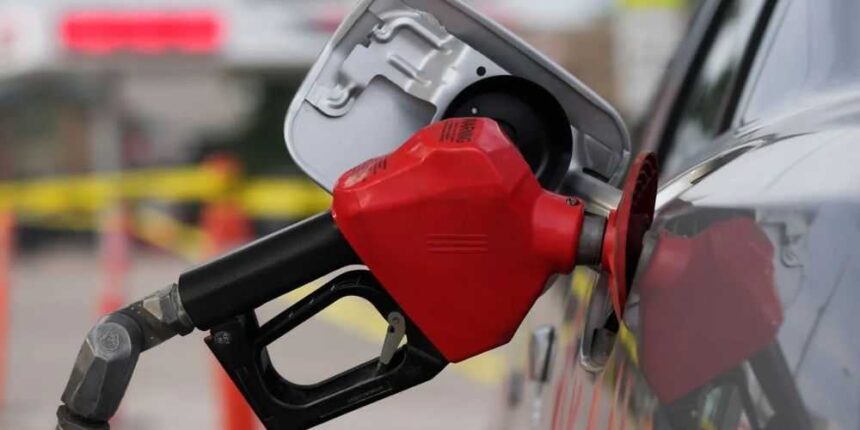
The Federal Government on Sunday warned petrol marketers against profiteering and urged an immediate reduction in pump prices, as Nigerians continued paying approximately N1,200 per litre of petrol despite Brent crude oil falling below $70 per barrel following the opening of the Strait of Hormuz after the US-Iran ceasefire.
A government statement said the sharp decline in global crude prices provided no justification for the continuation of elevated fuel prices at filling stations, and directed the Nigerian Midstream and Downstream Petroleum Regulatory Authority to monitor and report any instances of market manipulation or unjustified margin-taking by importers and retailers. The NMDPRA confirmed it had dispatched monitoring teams to major markets in Lagos, Abuja, Port Harcourt, and Kano.
Refinery and Importers Cite Cost Lag
Related News
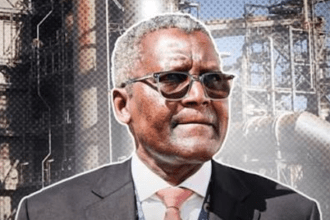
The Dangote Refinery had already cut its ex-depot price by N75 per litre from N1,250 to N1,175 as one of the first movers to reflect the falling crude cost in its pricing. However, many retail stations were yet to pass the reduction on to consumers. Importers continued to argue that cargoes purchased at higher prices during the Hormuz crisis were still entering the market, and that full consumer relief required four to six more weeks as cheaper crude cleared through the supply chain.
PETROAN National President Billy Gillis-Harry said the declining crude environment presented a genuine opportunity to ease the financial burden on Nigerian households and called on all market participants to act quickly to transmit the savings. He said the landing cost of some imported products appeared lower than prices charged by domestic refiners, raising questions about pricing transparency.
FG Revenue Risk Grows
Related News
Meanwhile, the falling crude price exposed the government’s revenue vulnerability. Brent trading below $70 was below the 2026 budget benchmark of $64.85, and while technically above the benchmark, the rapid fall from the $120 Hormuz-crisis peak threatened to reverse the windfall revenue gains that had helped Nigeria’s external reserves top $50 billion. Consequently, the government faces a politically inconvenient dual pressure of falling fuel prices not reaching consumers quickly enough, while oil revenues themselves face downward pressure.