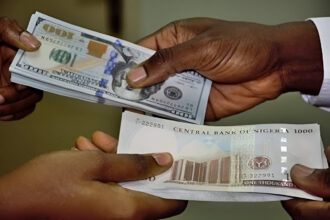



The Nigerian naira traded at relatively stable levels against the US dollar on Tuesday, June 23, 2026, across both the official and parallel foreign exchange markets, as telecom operators dismissed growing public fears that a new cost study commissioned by the Nigerian Communications Commission would lead to fresh increases in mobile tariffs.
The NCC had commissioned a cost-based study to determine fresh mobile termination rates, a development that generated concern among consumers already absorbing elevated costs for data, voice calls, and SMS services following the significant tariff increases introduced in 2025. However, the Association of Licensed Telecommunications Operators of Nigeria said any outcome from the study would go through a full regulatory process before taking effect and that no immediate tariff changes were planned.
Industry Denies Imminent Increases
Related News
ALTON officials said the NCC’s cost study was a routine regulatory exercise designed to ensure that interconnection rates reflected current market costs and that it did not automatically translate into subscriber-facing tariff changes. They urged consumers to rely on official NCC communications rather than speculation about the implications of the study.
Meanwhile, the naira held within a narrow band in the official market, with dealers citing a continuation of the improved liquidity conditions that have supported currency stability since early June. The BDC rate depreciated slightly to N1,400 per dollar according to Proshare, widening the spread with the official market, but analysts said the movement was within normal trading variance.
IED Scare Rattles Lagos
Related News
Furthermore, a device described as an improvised explosive device was found under a vehicle in Mushin, Lagos, injuring one person and triggering a security alert. The Lagos State Police Command said specialists had examined the device and that patrols had been enhanced across Mushin. Additionally, Saudi Arabia announced a $1.5 million food aid project targeting 145,000 vulnerable Nigerians, providing timely nutrition assistance to some of the country’s most food-insecure communities. Consequently, as the economy navigates the post-Hormuz windfall retreat, domestic policy challenges around telecom regulation, currency stability, and social protection continue to compete for government attention.