

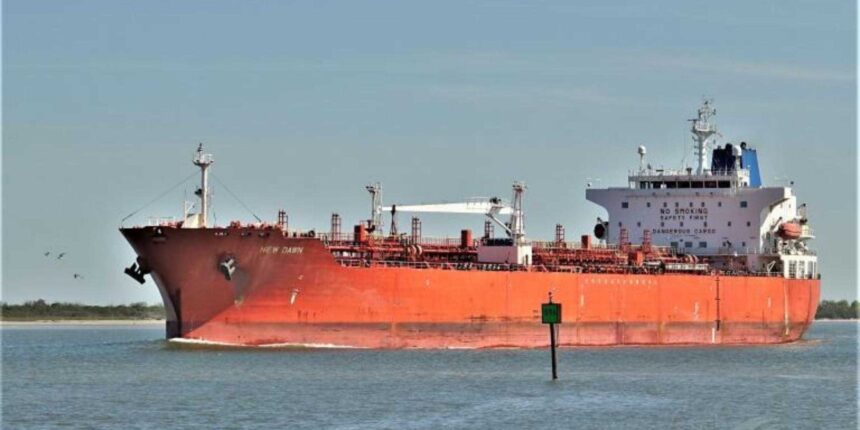
Six vessels carrying petrol cargoes worth approximately 279 billion naira are arriving in Nigeria this week, even as a legal battle between the Dangote Petroleum Refinery and the Nigerian National Petroleum Company Limited over import rights continues to play out, according to a Punch newspaper report published on Friday, June 12, 2026.
The dispute centres on the conditions under which fuel imports are permitted into Nigeria at a time when the Dangote Refinery has significantly expanded domestic refining capacity. The refinery has argued that continued large scale imports undermine the economics of local refining, while NNPC and import dependent marketers maintain that imports remain necessary to bridge gaps in domestic supply during periods of high demand.
Industry sources said the six vessels were part of previously contracted import arrangements that predated recent policy discussions about import restrictions. The arrival of the cargoes is expected to ease any short term supply pressures in the downstream sector, even as the underlying dispute over the long term import framework remains unresolved.
Related News
Statistics Show Petrol Prices Rising
According to data from the National Bureau of Statistics, the average retail price of petrol rose sharply in April 2026, while diesel prices also increased, reflecting the combined effects of exchange rate movements, global crude price dynamics, and domestic supply chain factors. The price increases have added to the cost of living pressures that the federal government acknowledged in its Democracy Day messaging.
Furthermore, the legal dispute between Dangote Refinery and NNPC adds a layer of uncertainty to Nigeria’s downstream petroleum sector at a time when the country has otherwise made significant progress in reducing its fuel import bill. Nigeria’s fuel import bill fell from approximately 14.06 trillion naira in 2024 to a much lower figure in 2025 as domestic refining capacity expanded, a trend that the trade surplus data released earlier in June confirmed.
Related News
However, analysts said the resolution of the Dangote NNPC dispute would be important for providing policy certainty to investors in Nigeria’s refining sector. Still, both companies have continued normal operations while the legal process unfolds. Notably, oil prices fell sharply in global markets after US President Donald Trump signalled a potential peace agreement with Iran, easing fears of a wider regional conflict that could have disrupted global crude benchmarks. Consequently, the combination of falling global oil prices and rising domestic refining capacity could, over time, help ease pump price pressures in Nigeria, even as the immediate legal dispute between Dangote and NNPC remains unresolved.
New Crude Streams Boost Production
In addition, new crude streams from the Utapate and Cawthorne fields have boosted Nigeria’s oil production by over 12 million barrels, strengthening the country’s export capacity and revenue base. The Nigerian Upstream Petroleum Regulatory Commission said the new streams reflected the impact of enhanced security around oil producing assets and increased investment in upstream exploration. As a result, Nigeria’s oil sector continues to show signs of recovery even as downstream policy questions remain to be resolved.