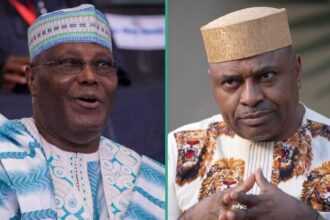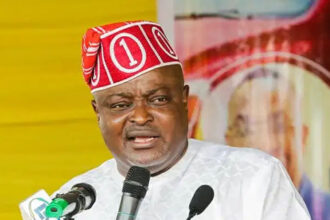


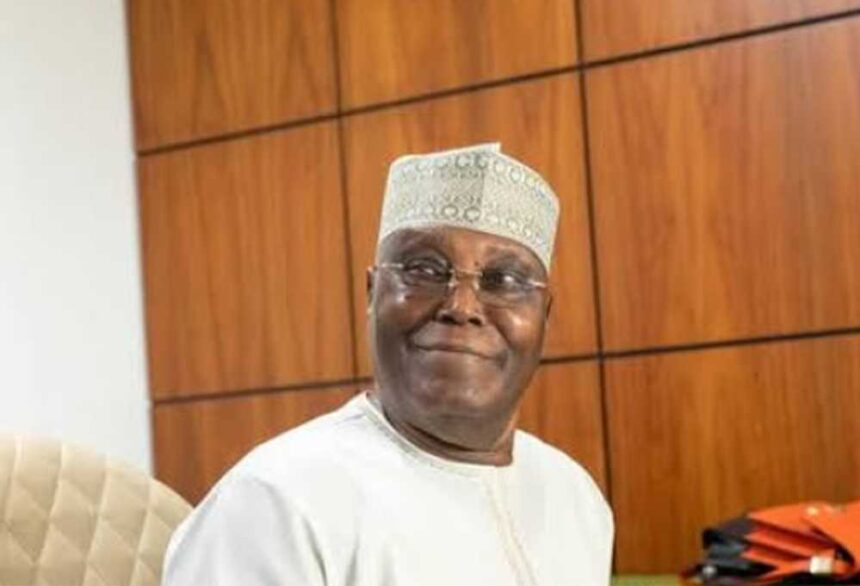
Primate Elijah Ayodele, leader of the INRI Evangelical Spiritual Church and one of Nigeria’s most prominent prophetic voices on political matters, issued a prophecy on Tuesday, June 10, 2026, warning that either the African Democratic Congress, the party adopted by former Vice President Atiku Abubakar, or the New Democratic Congress, where Labour Party’s Peter Obi is building a political presence, would not survive long as a viable opposition platform ahead of the 2027 general elections.
Ayodele, in a statement released by his media office, said his prophetic assessment indicated serious structural instability in one of the two parties, though he stopped short of specifying which party he believed faced collapse. He urged both Atiku and Obi to assess the organisational foundations of their respective parties carefully and to prioritise unity and legal clarity over speed in building their 2027 campaigns.
The prophecy generated immediate reaction on Nigerian social media, with supporters of both politicians debating which party Ayodele was referring to and whether his track record on political predictions lent any credibility to the warning. Primate Ayodele has previously made political prophecies that were partially accurate, giving him a following among Nigerians who take prophetic commentary on politics seriously, even as secular observers tend to treat such statements as opinion dressed in spiritual language.
Related News
ADC and NDC Both Face Real Structural Tests
Beyond the prophetic framing, the underlying question about whether the ADC and NDC can sustain momentum as opposition vehicles in 2027 is a genuine political one. The ADC has been rocked by the resignation of former SGF Babachir Lawal, who accused the party of rigging its presidential primary in favour of Atiku, and by the broader controversy about the legitimacy of the primary process. Meanwhile, the NDC is still in an early stage of building its national structure and faces the challenge of translating Obi’s loyal supporter base from Labour Party into an organised new party infrastructure.
However, both parties have significant assets. The ADC has Atiku’s national name recognition, fundraising network, and extensive political relationships built over decades of electoral participation. The NDC has the energy and digital engagement of the Obi-dient movement, which demonstrated its mobilisation capacity in 2023 even if it fell short of electoral victory.
Related News
Furthermore, a cleric’s prophecy that either the ADC or NDC will not last long could be interpreted as reflecting objective political fragility rather than supernatural insight. Still, Ayodele’s commentary routinely shapes conversations within Nigeria’s politically engaged religious communities, where prophetic utterances carry real social weight. Notably, Babachir Lawal had already said he had eliminated both the APC and ADC as options for his 2027 support, adding to the picture of an opposition landscape in genuine flux. Consequently, the 2027 presidential race remains wide open, with party structures, coalition negotiations, and internal cohesion all being tested simultaneously well before the formal campaign season begins.
NDC Aspirant Raises Primary Rigging Allegations
In additional political news, an NDC House of Representatives aspirant publicly alleged a plot to deny him his ticket despite having video evidence of his primary victory, saying he had been approached and pressured to withdraw in favour of another candidate. The party’s national leadership said it was investigating the claim. In addition, former Delta Deputy Governor Omo-Agege claimed a 100 per cent primary victory in the NDC despite rival accounts disputing the result. As a result, both major opposition parties were managing internal credibility challenges simultaneously on the eve of Democracy Day.