

How much does it cost to live in Lagos in 2026? The honest answer is: more than most people earn.
New data and on-the-ground reports show that a single person needs between N700,000 and N800,000 per month to live comfortably in Lagos — including rent. Without rent, the figure sits between N450,000 and N600,000. For a family of four, the monthly cost of living ranges from N1.5 million to N3 million, depending on location and lifestyle.
The Food Bill Has Exploded
Related News
Food is one of the biggest pressures. Research shows that groceries which cost around N25,000 in 2020 now cost well over N140,000 in 2026. That is more than a fivefold increase in six years. Meanwhile, incomes for many Nigerians have not kept pace. As a result, households are making increasingly difficult choices about what to eat and what to cut.
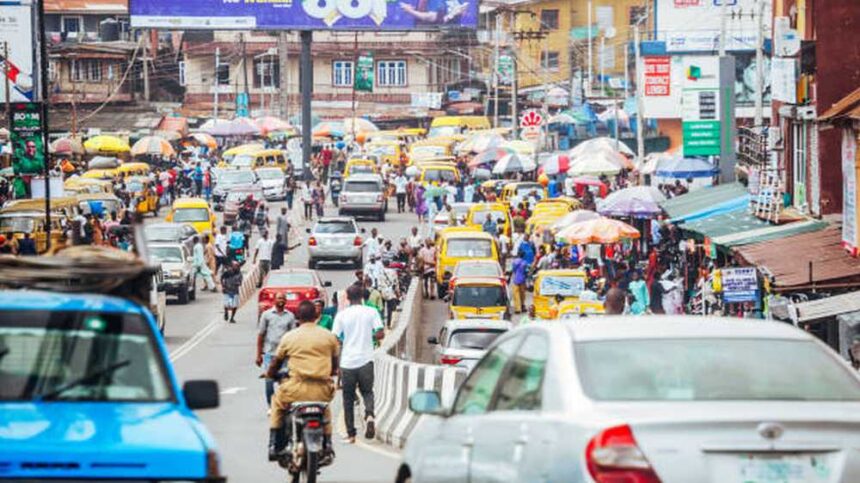
Street food remains the most affordable option. A plate at a local buka can still be had for N500 to N1,500. However, cooking at home using market produce now requires careful budgeting. Even basic items — tomatoes, onions, palm oil, rice — have all seen significant price rises driven by fuel costs and supply chain pressures.
Rent Is the Biggest Burden
Related News
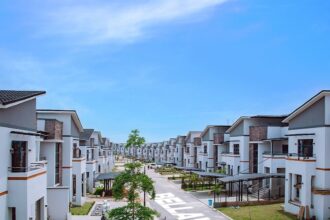
Accommodation, however, remains the single largest expense. On Lagos Island — Lekki, Victoria Island, Ikoyi, Ajah — a one-bedroom apartment starts at N3 million per year. A two-bedroom on Victoria Island can cost between N8 million and N12 million annually. These are figures that place much of the island out of reach for the average Lagos resident.
On the mainland, things are more manageable. Areas like Surulere, Yaba, and Ikeja offer better value. Furthermore, the exchange rate stabilisation around N1,380 per dollar has provided some relief for businesses that import goods. Still, that benefit has not fully filtered down to everyday consumer prices.
How People Are Coping
Nigerians are resilient. Many have adapted by reducing spending on non-essentials, switching to cheaper food alternatives, moving further from city centres, and supplementing incomes through side businesses. The informal economy continues to absorb the shock that formal wages cannot.
Still, the numbers are a stark reminder of how far the cost of living in Lagos has risen — and how urgently economic conditions need to improve for ordinary Nigerians trying to make ends meet every day.