

Introduction
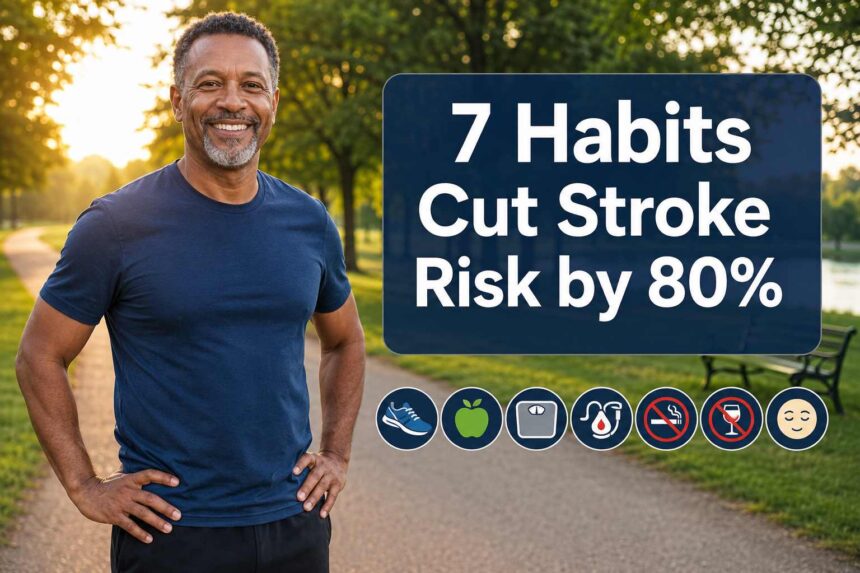
A stroke can happen in seconds. It can steal your ability to speak, walk, or even breathe. But here is the good news. Your daily choices have enormous power to prevent it. Research shows that seven simple habits can cut your risk of stroke by over 80 percent. That is not a small reduction. That is life changing.
Most people think stroke is random or inevitable as they age. This is false. The American Heart Association found that people who follow seven key health behaviors have dramatically lower stroke risk. These habits are not expensive. They do not require special equipment. You can start today.
This article explains each habit clearly. You will learn exactly what to do, why it works, and how to make it stick. Your brain and your future depend on these choices.
Related News
Habit 1: Stay Physically Active for at Least 30 Minutes Daily
Why Movement Matters
Physical activity is the closest thing to a miracle drug for stroke prevention. Exercise strengthens your heart, lowers blood pressure, improves cholesterol, and helps you maintain a healthy weight. All of these factors reduce stroke risk significantly.
The American Heart Association recommends at least 150 minutes of moderate intensity exercise per week. This breaks down to 30 minutes a day, five days a week. You do not need to run marathons. Walking briskly counts. Swimming counts. Cycling counts. Even dancing in your living room counts.
What the Research Shows
Studies show that people who exercise regularly have 27 percent lower risk of ischemic stroke (the most common type caused by blood clots). Physical activity also reduces risk of hemorrhagic stroke (bleeding in the brain) by improving blood vessel health and reducing blood pressure.
Related News
One major study found that people who were physically inactive had twice the stroke risk compared to those who exercised regularly. The difference was clear and consistent across age groups, genders, and ethnicities.
How to Make It Happen
Start small if you are new to exercise. Walk for 10 minutes after breakfast. Take the stairs instead of the elevator. Park farther away at the store. These small steps add up.
Set a daily reminder on your phone. Find an exercise buddy for accountability. Choose activities you enjoy so exercise feels like pleasure, not punishment. The best exercise is the one you will actually do consistently.
Habit 2: Eat a Heart Healthy Diet Rich in Vegetables and Fruits
The Power of Plant Based Eating
What you eat directly affects your stroke risk. A diet rich in vegetables, fruits, whole grains, and lean proteins protects your blood vessels and keeps blood pressure in check. This is the foundation of stroke prevention.
The DASH diet (Dietary Approaches to Stop Hypertension) and the Mediterranean diet are both proven to reduce stroke risk. Both emphasize vegetables, fruits, nuts, legumes, fish, and olive oil. Both limit red meat, processed foods, and added sugars.
Key Nutrients That Protect Your Brain
Potassium helps lower blood pressure. Foods high in potassium include bananas, spinach, sweet potatoes, and avocados.
Fiber reduces cholesterol and improves blood sugar control. Whole grains, beans, and vegetables are excellent fiber sources.
Antioxidants protect blood vessels from damage. Colorful vegetables and fruits provide different antioxidants. Aim for a rainbow on your plate.
Omega 3 fatty acids reduce inflammation and improve heart health. Fatty fish like salmon, mackerel, and sardines are rich in omega 3s.
Foods to Limit or Avoid
High sodium foods raise blood pressure, a major stroke risk factor. Limit processed foods, canned soups, salty snacks, and fast food.
Added sugars contribute to obesity and diabetes, both stroke risk factors. Cut back on sugary drinks, desserts, and sweets.
Saturated fats from red meat and full fat dairy raise cholesterol. Choose lean proteins and low fat dairy instead.
Trans fats are especially harmful. Avoid fried foods, baked goods, and processed snacks containing partially hydrogenated oils.
How to Start Today
Add one serving of vegetables to every meal. Swap white rice for brown rice. Replace soda with water or unsweetened tea. Choose whole fruit instead of juice.
Meal prep on weekends to save time during the week. Keep healthy snacks like nuts and fruit readily available. Read nutrition labels to identify hidden sodium and sugars.
Habit 3: Maintain a Healthy Body Weight
Why Weight Matters for Stroke Risk
Excess body weight strains your heart and blood vessels. It raises blood pressure, increases cholesterol, and makes diabetes more likely. All three are major stroke risk factors.
Being overweight also causes inflammation throughout the body. Inflammation damages blood vessels and increases clot formation risk. This is why weight management is critical for stroke prevention.
What Is a Healthy Weight?
Body Mass Index (BMI) is a common measure. A healthy BMI ranges from 18.5 to 24.9. However, BMI does not tell the whole story.
Waist circumference is equally important. Excess belly fat is especially dangerous for heart and stroke risk. For men, a waist over 40 inches increases risk. For women, a waist over 35 inches increases risk.
How Much Weight Loss Helps
You do not need to reach an ideal weight to see benefits. Losing just 5 to 10 percent of your body weight can significantly improve blood pressure, cholesterol, and blood sugar levels.
For a 200 pound person, losing 10 to 20 pounds makes a meaningful difference. This is achievable and sustainable.
Practical Weight Management Tips
Focus on gradual weight loss of 1 to 2 pounds per week. Rapid weight loss is hard to maintain.
Track your food intake using a phone app. Awareness leads to better choices.
Combine diet changes with physical activity for best results. Exercise preserves muscle while you lose fat.
Get enough sleep. Poor sleep disrupts hunger hormones and increases cravings.
Manage stress. Emotional eating often leads to weight gain.
Habit 4: Control Blood Pressure Through Diet, Exercise, and Medication When Needed
Blood Pressure Is the Number One Stroke Risk Factor
High blood pressure is often called the silent killer. It damages blood vessels without obvious symptoms until a stroke occurs. Controlling blood pressure is the single most effective way to prevent stroke.
According to research, uncontrolled high blood pressure increases stroke risk by 2 to 4 times. This is why blood pressure management is non negotiable for stroke prevention.
What Are Healthy Blood Pressure Numbers?
Normal blood pressure is below 120 over 80 mmHg.
Elevated blood pressure is 120 to 129 over less than 80.
Stage 1 hypertension is 130 to 139 over 80 to 89.
Stage 2 hypertension is 140 or higher over 90 or higher.
The lower your blood pressure (within healthy range), the lower your stroke risk.
How to Lower Blood Pressure Naturally
Reduce sodium intake to less than 2,300 milligrams per day. Ideally, aim for 1,500 milligrams.
Eat more potassium rich foods. Potassium helps counteract sodium effects.
Exercise regularly. Physical activity strengthens your heart so it pumps with less effort.
Lose excess weight. Every pound you lose lowers blood pressure.
Limit alcohol consumption. Men should have no more than 2 drinks per day. Women should have no more than 1.
Manage stress through meditation, deep breathing, or yoga.
When Medication Is Necessary
Some people need medication to control blood pressure even with lifestyle changes. This is not failure. It is smart medicine.
Common blood pressure medications include ACE inhibitors, ARBs, diuretics, calcium channel blockers, and beta blockers. Work with your doctor to find the right medication and dose for you.
Take medication exactly as prescribed. Do not skip doses. Report side effects to your doctor rather than stopping on your own.
Monitor Regularly
Check your blood pressure at home with a reliable monitor. Track your readings and share them with your doctor at each visit.
Know your numbers. If your blood pressure is consistently high, take action immediately.
Habit 5: Do Not Smoke and Avoid Secondhand Smoke Exposure
Smoking Destroys Blood Vessels
Smoking is one of the worst things you can do for stroke prevention. Chemicals in cigarette smoke damage blood vessel walls, making them prone to clot formation. Smoking also raises blood pressure and reduces oxygen in your blood.
Smokers have 2 to 4 times higher risk of stroke compared to non smokers. This risk increases with the number of cigarettes smoked per day and the number of years spent smoking.
Secondhand Smoke Is Also Dangerous
You do not have to smoke yourself to be at risk. Secondhand smoke exposure increases stroke risk by 20 to 30 percent. This affects spouses, children, and coworkers of smokers.
Avoid places where people smoke. Ask family members to smoke outside or quit altogether.
Quitting Smoking Works Immediately
The good news is that quitting smoking reduces stroke risk quickly. Within 2 to 5 years after quitting, your stroke risk can fall to about that of a non smoker.
Within 1 year of quitting, your risk of coronary heart disease is half that of a smoker.
Within 5 years, many of the damages to blood vessels begin to heal.
How to Quit Successfully
Talk to your doctor about quit strategies. Nicotine replacement therapy (patches, gum, lozenges) can help. Prescription medications like bupropion or varenicline are also effective.
Identify your triggers. Do you smoke when stressed? After meals? With coffee? Plan alternatives for each trigger.
Get support. Call a quitline, join a support group, or enlist friends and family for accountability.
Remove cigarettes and smoking paraphernalia from your home and car.
Be patient with yourself. Relapse is common. Learn from it and try again. Most people quit successfully after several attempts.
Avoid Vaping as an Alternative
E-cigarettes are not safe alternatives. Vaping still exposes you to harmful chemicals and nicotine addiction. The long term stroke risk of vaping is not fully known, but it is not harmless.
If you need nicotine replacement, use approved products like patches or gum under medical guidance.
Habit 6: Limit Alcohol Consumption or Drink in Moderation
Alcohol and Stroke Risk
Alcohol affects blood pressure, heart rhythm, and clot formation. Heavy drinking significantly increases stroke risk. It raises blood pressure, contributes to weight gain, and can trigger atrial fibrillation (irregular heartbeat), which increases stroke risk.
Binge drinking is especially dangerous. Even one episode of heavy drinking can trigger a stroke in vulnerable individuals.
What Is Moderate Drinking?
Moderate alcohol consumption is defined as:
Up to 1 drink per day for women
Up to 2 drinks per day for men
One drink equals:
12 ounces of beer (5 percent alcohol)
5 ounces of wine (12 percent alcohol)
1.5 ounces of distilled spirits (40 percent alcohol)
However, recent research suggests that no amount of alcohol is completely safe for health. The less you drink, the lower your risk.
Who Should Avoid Alcohol Entirely
Some people should not drink any alcohol:
People with uncontrolled high blood pressure
People with liver disease
People taking medications that interact with alcohol
People with a history of alcohol abuse
Pregnant women
People recovering from stroke
Tips for Limiting Alcohol
Set a drink limit before you go out and stick to it.
Alternate alcoholic drinks with water or soda water.
Choose lower alcohol beverages.
Avoid drinking when stressed or emotional.
Find alcohol free social activities.
Keep alcohol out of your home to reduce temptation.
Habit 7: Manage Stress Effectively Through Daily Relaxation Practices
How Stress Increases Stroke Risk
Chronic stress damages your body in multiple ways. It raises blood pressure, increases inflammation, and triggers unhealthy coping behaviors like overeating, smoking, or drinking. All of these increase stroke risk.
When stressed, your body releases stress hormones like cortisol and adrenaline. These hormones constrict blood vessels and increase heart rate. Chronic elevation of these hormones damages blood vessels over time.
Stress Management Techniques That Work
Deep Breathing: Take slow, deep breaths for 5 to 10 minutes daily. This activates your relaxation response and lowers blood pressure.
Meditation: Mindfulness meditation for 10 to 20 minutes daily reduces stress hormones and improves emotional regulation. Apps like Headspace or Calm can guide you.
Yoga: Combines movement, breathing, and meditation. Yoga reduces stress and improves flexibility and strength.
Progressive Muscle Relaxation: Tense and release each muscle group in your body. This reduces physical tension that accompanies stress.
Exercise: Physical activity is a powerful stress reliever. It releases endorphins that improve mood.
Connection: Spend time with loved ones. Social support buffers against stress.
Sleep: Prioritize 7 to 9 hours of quality sleep per night. Poor sleep increases stress and stroke risk.
Create a Daily Stress Management Routine
Schedule stress reduction like you schedule important meetings. Make it non negotiable.
Start your day with 5 minutes of deep breathing or meditation.
Take short breaks during work to stretch and breathe.
End your day with a relaxing activity like reading or taking a warm bath.
Limit exposure to stressors like news and social media before bed.
Recognize When You Need Help
Persistent anxiety or depression may require professional help. Talk to your doctor if stress feels unmanageable. Therapy and counseling are effective treatments.
How These Seven Habits Work Together
These seven habits are not independent. They work together synergistically to protect your brain.
Exercise helps you maintain healthy weight. Healthy weight improves blood pressure. Blood pressure control reduces stroke risk. Not smoking protects blood vessels. Healthy eating supports all other habits. Alcohol moderation protects blood pressure. Stress management prevents unhealthy coping behaviors.
When you adopt all seven habits, the risk reduction is multiplicative, not additive. This is why the combined effect can exceed 80 percent risk reduction.
The American Heart Association called these seven factors Ideal Cardiovascular Health. People who meet all seven criteria have 78 percent lower risk of stroke compared to those who meet fewer than three.
Your Action Plan: Start Today
You do not need to change everything at once. Pick one habit to start. Master it. Then add another.
Week 1: Add 30 minutes of daily walking
Week 2: Add one extra serving of vegetables to each meal
Week 3: Check your blood pressure and schedule a doctor visit if needed
Week 4: Reduce alcohol or quit smoking if applicable
Month 2: Add stress management practice
Month 3: Evaluate weight loss progress and adjust as needed
Month 6: Review all seven habits and celebrate progress
Conclusion
Stroke is preventable. The science is clear. Seven daily habits can cut your risk by over 80 percent. These habits are not complicated. They are not expensive. They require commitment, not perfection.
You have the power to protect your brain starting today. Walk more. Eat better. Manage your weight. Control blood pressure. Do not smoke. Limit alcohol. Reduce stress.
Your future self will thank you. The time to start is now. One stroke preventive habit at a time, you can build a life with dramatically lower stroke risk. That is worth every effort.