

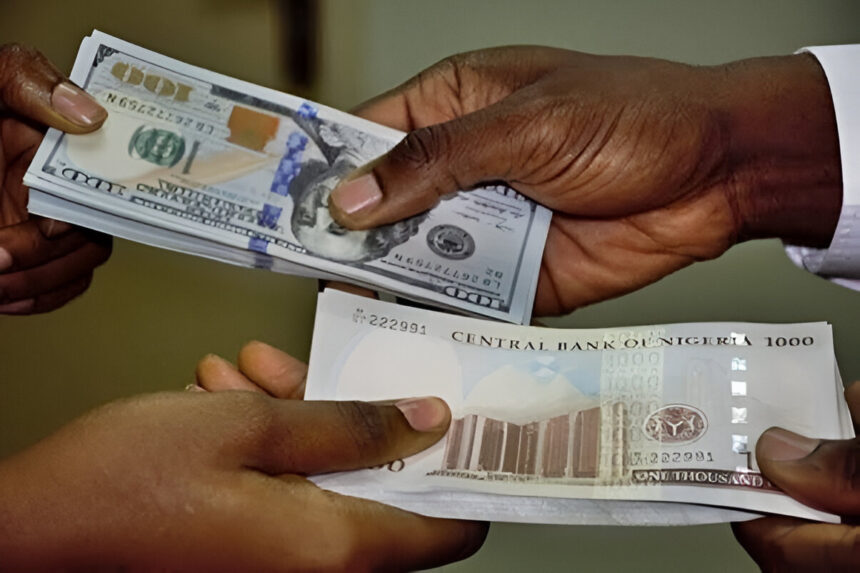
LAGOS — The Nigerian naira maintained relative stability against the United States dollar on Friday, May 29, 2026, according to Vanguard market data. Trading in both the official Nigerian Foreign Exchange Market and the parallel market was orderly as the CBN continued its liquidity support ahead of the extended holiday break.
The naira traded around N1,373 in the official NFEM window on Friday. Parallel market rates in Lagos and Abuja remained between N1,385 and N1,395. The spread between the two markets has remained narrow through the Sallah holiday period, a positive sign of market confidence.
Currency traders said volumes were lower than a normal trading day given the holiday period. Many corporate and institutional buyers reduced their foreign exchange procurement during the Sallah break. This reduction in demand helped ease pressure on the naira even without significant CBN intervention.
Related News
A forex dealer at a Lagos bureau de change said the market has been calm and orderly this week. He said the combination of good reserve levels, the S&P upgrade, and the Dangote Refinery’s positive impact on trade balances has created a stable foundation that is holding even through a long holiday.
T+1 Launch on Monday
The naira’s next test comes on Monday, June 1, when the Nigerian Exchange Group resumes trading after the extended break and simultaneously launches the new T+1 settlement system. The transition to T+1, which means trades are settled one business day after execution rather than two, is expected to improve market liquidity and attract foreign portfolio investment.
Related News
Market analysts said the T+1 launch on the first trading day after a long holiday could produce a positive surge in activity. Pent-up demand from institutional investors who paused transactions during the holiday period will be released on Monday morning. Combined with the improved settlement efficiency of T+1, this could produce a strong early June session.
Furthermore, the INEC primary deadline closing today will remove one source of political uncertainty from the market. Investors who were waiting to see the shape of the 2027 candidate field before making portfolio decisions will have a clearer picture by Monday. Clarity on the political landscape typically reduces the risk premium built into Nigerian asset prices.
Looking Ahead
The global financial market backdrop is also supportive. Vanguard reported that 2026 global markets are in a more dynamic phase with greater volatility across all asset classes. However, Nigeria’s improved fundamentals, including its $50 billion reserve buffer and S&P upgrade, mean it is better positioned to navigate that volatility than it was during the turbulence of 2025.
The CBN said it will maintain its tight monetary policy stance through the June period. Governor Cardoso has ruled out interest rate cuts despite political pressure ahead of the 2027 election. Keeping rates high reduces inflationary pressure and supports the naira by making Nigerian assets more attractive to foreign investors seeking yield.
Ordinary Nigerians are yet to fully feel the naira’s stability in their shopping baskets. Food prices remain elevated. Imported goods are still expensive. But the foundation for sustained improvement is being laid. Whether it arrives before or after the 2027 election will be the pivotal political question of the next 12 months.