

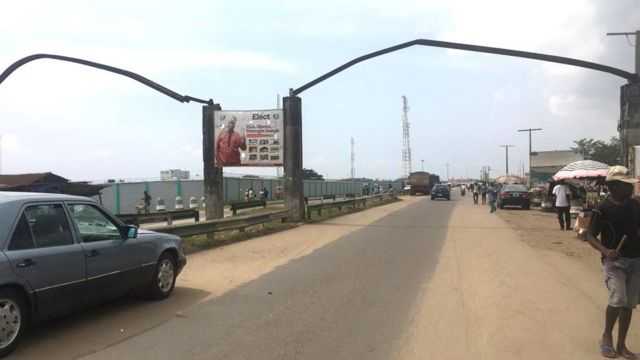
LAGOS — The Seme Border on the Lagos-Cotonou corridor is haemorrhaging billions of naira in potential Customs revenue as trade restrictions drive importers to illegal crossing points. The situation has effectively made the government’s costly infrastructure upgrades at the border redundant, according to retired Customs officer Seyi Adeyemo.
Adeyemo, who spent over 30 years in the Nigeria Customs Service including postings at Seme, said the combination of import bans, high tariffs, and complex documentation requirements has made legal trade through the border commercially unviable for most importers.
The government invested heavily in upgrading Seme Border infrastructure in recent years. New scanning equipment, improved roads, office facilities, and technology systems were all part of the upgrade package. However, Adeyemo said those investments generate no revenue if traders simply bypass the official crossing entirely.
Related News
Vanguard’s investigation found that informal border crossing points along the Lagos-Cotonou corridor remain heavily used despite government efforts to seal them. Traders said they would prefer to use the official Seme crossing if the cost and complexity of compliance were reduced to competitive levels.
What Needs to Change
Trade experts say Nigeria needs to fundamentally rethink its approach to border management. Complete import bans on products that are widely available through smuggling channels simply redirect trade underground. A more effective approach would be a combination of reasonable tariffs, efficient processing, and strong enforcement against specific high-value contraband.
Related News
In addition, the ECOWAS free trade framework creates additional complexity. Nigeria’s import restrictions often conflict with regional trade commitments that allow goods from ECOWAS countries to move relatively freely. This creates legal uncertainty for importers and contradictory signals about Nigeria’s commitment to regional economic integration.
Furthermore, the Manufacturers Association of Nigeria said domestic industries need protection from import competition, but that protection must be calibrated carefully. Blanket bans create smuggling incentives. Tariffs that are high but not prohibitive can generate revenue while still providing a degree of protection for local producers.
Government Review Underway
The Ministry of Finance and the Ministry of Trade and Investment said they are jointly reviewing border management and trade restriction policies. A report is expected before the end of the third quarter of 2026 that will recommend adjustments to current import regimes at land borders including Seme.
The Nigeria Customs Service said it has deployed additional officers and technology at Seme to reduce unofficial crossings. However, customs officers say they cannot seal every informal path along a long porous border without significantly more personnel and infrastructure investment.
Economists say the Seme revenue problem is ultimately a governance failure that reflects broader challenges in how Nigeria designs and implements economic policy. Without proper analysis of how traders actually respond to regulations, policies that appear sound on paper regularly produce the opposite of their intended effects.