ABUJA — Magistrate Folake Oladele had been trying to get justice for her client for three years. Each time the case was called, something happened. A key document went missing. A hearing was rescheduled. A ruling that should have taken weeks took months. She says she watched, helplessly, as a case that should have been straightforward became a slow nightmare.
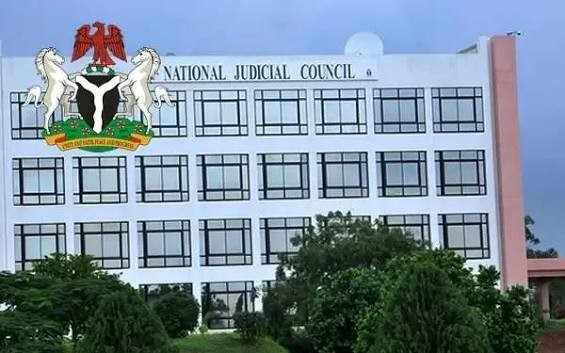
Her experience reflects what millions of Nigerians endure in a justice system that critics say has been corroded by corruption at its core. Now, the National Judicial Council has taken an extraordinary step, targeting more than 256 judges accused of complicity in various forms of judicial malfeasance.
Vanguard reported the NJC’s unprecedented crackdown in an exclusive on Friday. The council said it has zeroed in on judges across federal and state courts following a review of petitions, audit reports, and internal disciplinary files accumulated over several years.
Related News
The NJC did not publish the list of named judges or the specific allegations against each individual. However, the council confirmed that the number is substantial and that proceedings will begin in phases. Some judges have already received query letters demanding explanations for specific conduct.
What the Accused Are Said to Have Done
Allegations against the judges span a range of offences. These include accepting bribes to deliver rulings favourable to one side, deliberately sitting on cases for years to frustrate litigants, leaking case details to parties or their lawyers, and delivering judgments that contradict the evidence on record.
Related News
Some judges are also accused of granting injunctions and orders in exchange for payments, particularly in commercial and election petition matters. Election petition corruption has long been a specific concern. Several rulings that appeared to defy logic in recent election disputes have been cited as examples by legal practitioners.
Furthermore, some of the 256 judges are said to be accused of working in concert with lawyers to manipulate timelines and frustrate opponents into withdrawing cases. The NJC said it has documentary and electronic evidence to support the proceedings it is initiating.
What This Means for Nigerians
For ordinary Nigerians, the NJC’s crackdown is both hopeful and overdue. The justice system is supposed to be the last resort for the poor, the wronged, and the powerless. When it is corrupted, those people have nowhere to turn.
Magistrate Oladele said she welcomes the NJC action but wants to see it result in real consequences, not just queries and letters. “We need judges removed, prosecuted where appropriate, and replaced with people of integrity. Anything less sends the message that the system protects itself,” she said.
The Nigerian Bar Association has called on the NJC to be transparent about the process and to ensure that accused judges are given fair opportunity to respond while the process moves decisively. It said justice delayed in the NJC’s own proceedings would be deeply ironic given the nature of the allegations.