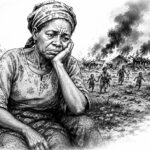


GUSAU — Malam Bello Maigida’s voice drops to a whisper when he talks about the night he lost three of his children. He had gone to the market. When he returned, armed men had taken his two sons and a daughter from their home in a remote Zamfara village. That was eight months ago. He has not seen them since.
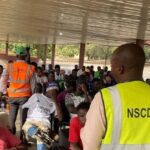
“I pray every morning that they are alive. I do not know where they are. I do not know if they are eating. I do not know if anyone has hurt them,” Maigida said at a displacement camp near Gusau, where he now lives with his wife and two remaining children.
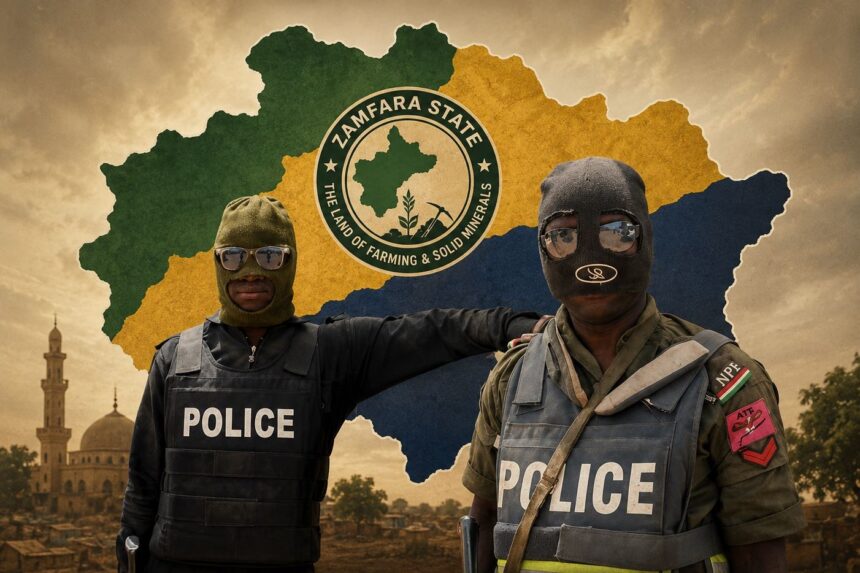
His story is not unique. Across Zamfara, Sokoto, Katsina, and Kebbi states, families like his are trapped in a cycle of abduction, ransom demands, displacement, and silence from authorities. Many cannot afford the ransoms demanded. Many do not know where to report. And many who do report say nobody comes.
Related News
The United Nations recently warned that 35 million Nigerians risk acute hunger between June and August 2026. The Borno, Adamawa, and Yobe states account for a large share of that number. However, displacement camps in the northwest tell a story that is equally desperate and receives far less attention.
A Family Broken by the State’s Absence
Maigida’s wife, Hajiya Ramatu, says she has stopped sleeping through the night. She said she lies awake thinking about her missing daughter, who was 14 at the time of the abduction. “She was preparing for her exams. She had books on her desk. They took her with the books still open,” Ramatu said.
Related News
The couple filed a report with the local police station weeks after the attack. They say officers took down their names and the names of the children. No one has followed up. No search party came. No government official visited their village.
Human rights groups say this is the pattern across northwest Nigeria. The military conducts airstrikes and ground operations. But individual families whose children are taken rarely receive any direct government support, legal guidance, or victim assistance.
A Generation Growing Up Without Parents
At the displacement camp, children play in dusty open spaces. Many have not attended school in over a year. Teachers who once served the communities these families came from are themselves displaced, like Adesiyan Adegboye’s colleagues in Oyo State.
Maigida said what he wants most is not sympathy. He wants answers. He wants to know if the government is actively looking for his children. He wants someone in authority to come and say they have not forgotten his family.
“We voted. We pay our taxes in the little ways we can. We followed the rules. Where is the government for us?” he asked. The camp fell quiet. Nobody had an answer.