

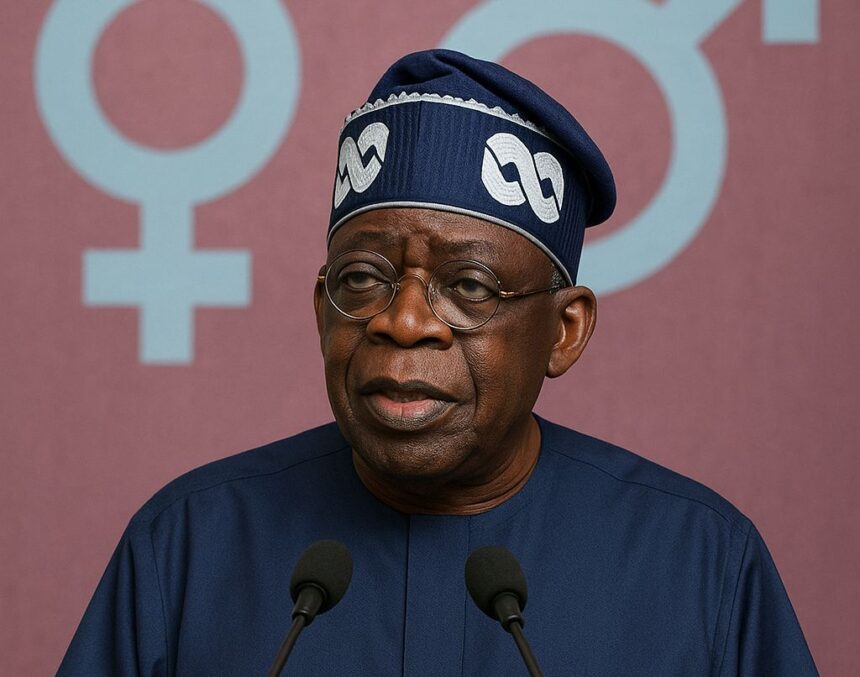
President Bola Tinubu has revised Nigeria’s proposed 2026 budget downward to N65.18 trillion, signalling a more conservative spending approach while maintaining a fiscal deficit to support government programmes and economic priorities.
The adjustment reflects the administration’s effort to align projected expenditure with expected revenues amid continuing economic challenges. Despite the reduction in the overall budget size, the government has chosen to retain a deficit, meaning planned spending will still exceed projected income.
The latest budget framework underscores the difficult balancing act facing policymakers as they seek to fund critical sectors such as infrastructure, education, healthcare and security while managing pressure on public finances.
Related News
Government officials have argued that the deficit remains necessary to sustain development projects and key investments considered vital to economic growth. They maintain that carefully targeted spending can help support job creation, improve public services and strengthen economic activity across the country.
However, the decision is also likely to draw close attention from economists and fiscal experts, many of whom continue to monitor Nigeria’s borrowing needs and debt obligations. Concerns have often centred on how deficit financing could affect future government spending and debt sustainability.
For millions of Nigerians, the focus remains on how budget allocations will translate into real improvements in daily life. Citizens are expected to watch closely for investments that address rising living costs, boost infrastructure and expand economic opportunities.
Related News
The revised budget proposal will now remain a key subject of discussion among lawmakers and other stakeholders as the fiscal plan moves through the necessary legislative processes.
While the reduction to N65.18 trillion suggests a tighter spending outlook, the retention of a deficit indicates that the federal government is still relying on additional financing to bridge the gap between projected revenue and expenditure.
As deliberations continue, attention will remain on how the administration intends to fund its priorities while maintaining fiscal stability and delivering on its economic agenda.