

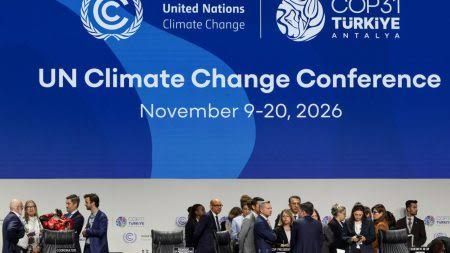
The 31st United Nations Climate Change Conference ended without a final agreement after countries failed to reach consensus on the future of fossil fuels and funding for climate action, marking a major setback for global climate negotiations.
Held in Antalya, Türkiye, the summit stretched nearly two days beyond its scheduled closing date as negotiators attempted to resolve deep divisions over the language that should guide the world’s response to climate change. The talks eventually collapsed after delegates could not agree on a final political declaration.
At the heart of the disagreement was whether the final document should explicitly commit countries to moving away from fossil fuels, widely regarded as the largest contributor to global greenhouse gas emissions. Several nations, including members of the European Union and climate-vulnerable countries, opposed a draft agreement that omitted direct references to fossil fuels.
Related News
Representing the European Union, Darragh O’Brien, Ireland’s climate minister, argued that any agreement that failed to identify fossil fuels as a key driver of climate change would weaken international efforts to tackle global warming. Countries including Norway, Panama and the Marshall Islands also raised objections to the proposed text.
The dispute deepened as successive drafts of the agreement gradually removed stronger commitments on fossil fuel transition. An earlier version reportedly called for accelerated efforts to phase out fossil fuels, but later drafts dropped that language, drawing criticism from several delegations.
Developing nations also expressed concerns about climate finance, insisting that vulnerable countries need greater support to adapt to the effects of rising temperatures, extreme weather and other climate-related challenges. The African Group of Negotiators voiced dissatisfaction with aspects of the negotiation process and discussions surrounding financial commitments.
Related News
Following the collapse of the talks, António Guterres, Secretary-General of the United Nations, described the outcome as disappointing but stressed that the failure to reach a consensus does not alter the scientific reality of climate change. He noted that global temperatures continue to rise and called on governments to accelerate efforts to reduce emissions and support clean energy transitions.
Despite the setback, previous climate commitments adopted at earlier conferences remain in place. Observers say the outcome of COP31 reflects the challenge of balancing environmental goals, economic interests and energy security concerns among nearly 200 participating countries.
The summit’s failure to produce a unified agreement leaves several unresolved questions ahead of future negotiations, particularly on how nations will finance climate adaptation and manage the transition from fossil fuels while protecting economic development and energy access.