

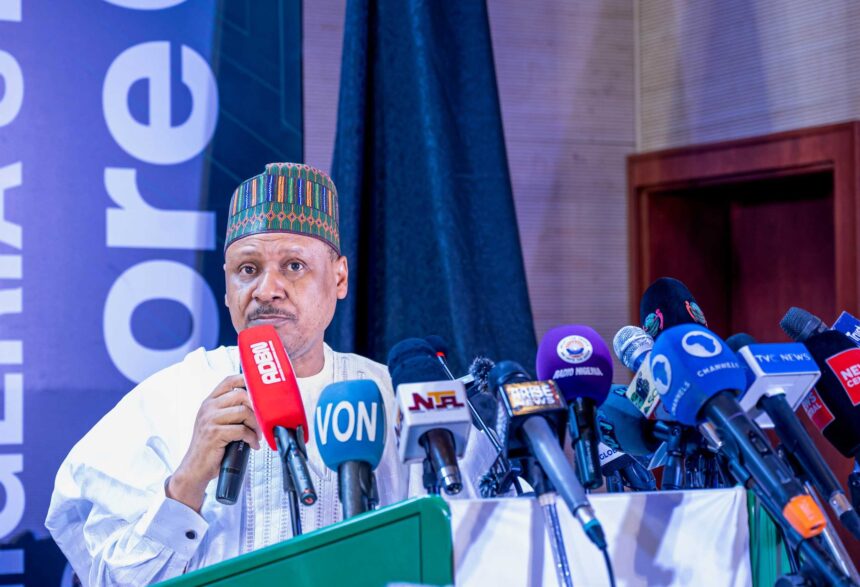
Abuja, Nigeria — The Minister of Information and National Orientation, Mohammed Idris, has cautioned against calls to reinstate fuel subsidy, warning that such a move would worsen Nigeria’s economic crisis and undermine ongoing reforms.
Speaking at a media briefing in Abuja, Idris explained that subsidy payments had placed a heavy burden on government finances for years, diverting resources from critical sectors such as infrastructure, healthcare, and education. He stressed that returning to the old regime would reverse progress made in stabilising the economy.
“The fuel subsidy was unsustainable. It consumed trillions of naira that could have been used to improve the lives of Nigerians in more impactful ways. Bringing it back will only deepen our fiscal challenges,” Idris said.
Related News
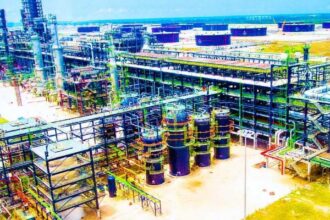
The minister noted that subsidy removal was a difficult but necessary decision taken to curb corruption and ensure transparency in the petroleum sector. He added that the policy shift was designed to encourage investment in local refining and reduce dependence on imported fuel.
Idris acknowledged the hardship faced by citizens due to rising fuel prices but insisted that the government is working on measures to cushion the impact. He pointed to ongoing investments in public transport, energy infrastructure, and targeted social programmes as part of efforts to ease the burden.
Economic analysts say the debate over subsidy reflects Nigeria’s struggle to balance fiscal responsibility with social welfare. While subsidy removal has helped reduce government spending, it has also contributed to inflation and increased living costs.
Related News
Civil society groups have urged the government to strengthen safety nets for vulnerable households. Suggestions include expanding cash transfer programmes, improving electricity supply, and supporting small businesses affected by higher fuel costs.
The Federal Government maintains that long-term benefits will outweigh short-term pain. Officials argue that subsidy removal will free up funds for development projects and help attract foreign investment.
Idris also called on Nigerians to support the reforms, stressing that economic recovery requires collective sacrifice. “We understand the difficulties, but subsidy was not a solution. It was a drain on our economy. What we need now are sustainable policies that will secure Nigeria’s future,” he said.
Observers note that the minister’s remarks come amid renewed political debate over fuel pricing, with some opposition figures advocating for a return to subsidy. The government’s firm stance suggests that reinstatement is unlikely, as officials continue to emphasise fiscal discipline.
For many Nigerians, the issue remains a pressing concern, with fuel costs directly affecting transport, food prices, and household budgets. The government’s ability to deliver relief measures will be critical in maintaining public confidence in its economic policies.