

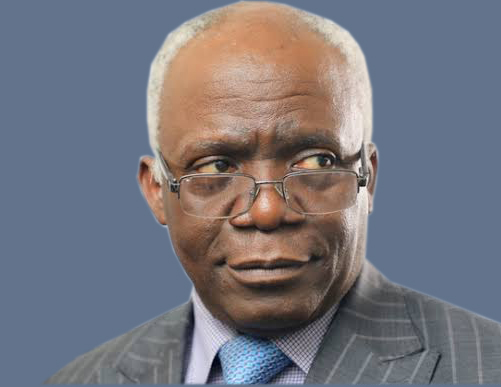
Human rights lawyer Femi Falana (SAN) has renewed calls for a fresh investigation into the death of Chief Moshood Kashimawo Olawale (MKO) Abiola, the acclaimed winner of Nigeria’s annulled June 12, 1993 presidential election.
Falana made the demand while speaking at a public forum in Lagos, stressing that the circumstances surrounding Abiola’s death in government custody in 1998 remain unresolved. He argued that a transparent inquiry is necessary to establish the truth and provide closure for Nigerians.
Abiola, widely regarded as the symbol of Nigeria’s democratic struggle, died on July 7, 1998, shortly after the death of military ruler General Sani Abacha. His passing came at a time when hopes were high that he might be released from detention.
Related News
Falana noted that despite official claims that Abiola died of natural causes, doubts have persisted for decades. “The Nigerian people deserve to know what truly happened. The death of MKO Abiola should be reinvestigated in line with international standards,” he said.
He added that reopening the case would not only honour Abiola’s legacy but also strengthen Nigeria’s democratic institutions. “Justice delayed is justice denied. We cannot continue to ignore unresolved issues that shaped our history,” Falana stated.
The lawyer also linked the call for investigation to broader concerns about accountability in governance. He argued that Nigeria must confront past injustices to build a stronger democracy.
Related News
Civil society groups have long echoed similar demands, insisting that Abiola’s death remains one of the darkest chapters in Nigeria’s political history. Many believe that clarifying the circumstances would help heal lingering wounds from the annulment of the June 12 election.
Abiola’s election is often described as the freest and fairest in Nigeria’s history. Its annulment by the military regime sparked nationwide protests and international condemnation, eventually paving the way for Nigeria’s return to civilian rule in 1999.
Falana’s renewed call comes as Nigeria continues to mark June 12 as Democracy Day, a recognition introduced in 2018 to honour Abiola’s sacrifice. Analysts say the demand for a probe reflects ongoing debates about how Nigeria should confront its past while consolidating democratic gains.
Government officials have yet to respond to Falana’s latest remarks. However, the issue is expected to remain a subject of public discourse, particularly among pro-democracy advocates and historians.
For many Nigerians, Abiola’s death is more than a personal tragedy; it represents unfinished business in the nation’s democratic journey. Whether the government will heed calls for a reinvestigation remains to be seen.