

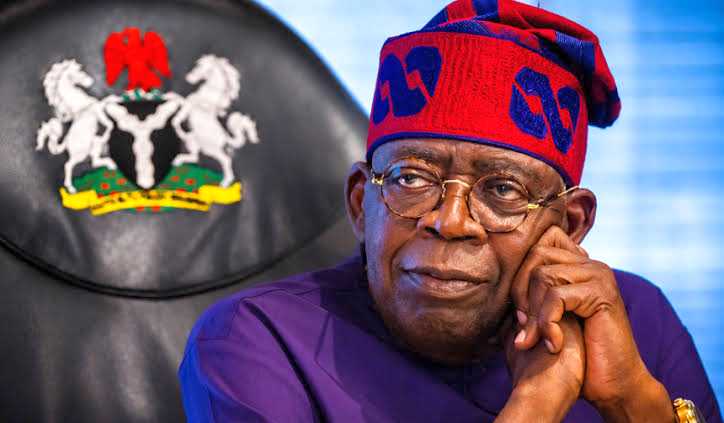
President Bola Ahmed Tinubu has reaffirmed his administration’s commitment to revitalizing Nigeria’s livestock industry, setting an ambitious target to double the sector’s current $32 billion contribution to the national economy.
Speaking at the inauguration of the Presidential Committee on Livestock Reform and Implementation, Tinubu described the livestock sector as a sleeping giant capable of transforming rural livelihoods, boosting food security, and driving inclusive economic growth.
“We are determined to unlock the full potential of Nigeria’s livestock industry. This is not just about numbers—it’s about people, jobs, and prosperity,” the President said.
Related News
The committee, chaired by former Kano State Governor Dr. Abdullahi Ganduje, is tasked with developing a comprehensive roadmap to modernize livestock production, enhance value chains, and reduce conflicts between farmers and herders.
Tinubu emphasized that the initiative aligns with his broader economic agenda to diversify Nigeria’s revenue sources beyond oil. He noted that livestock farming—spanning dairy, poultry, and meat production—has the capacity to create millions of jobs, particularly for youth and women in rural communities.
The President also highlighted the need for innovation and technology-driven solutions, including improved breeding systems, veterinary services, and sustainable grazing models. “We must move from subsistence to commercial livestock farming. That is how we will feed our people and export to the world,” he added.
Agriculture experts have welcomed the plan, describing it as a timely intervention that could reposition Nigeria as a major player in Africa’s livestock market. Dr. Fatima Bello, an agricultural economist, noted that effective implementation would require strong collaboration between federal and state governments, private investors, and local farmers.
“If properly executed, this reform could lift thousands out of poverty and reduce the recurring farmer-herder clashes that have plagued rural communities,” Bello said.
The livestock sector currently contributes about $32 billion annually to Nigeria’s economy, according to government estimates. However, poor infrastructure, limited access to finance, and outdated practices have hindered its growth potential.
Tinubu’s administration aims to address these challenges through targeted investments in ranching, feed production, and cold-chain logistics. The plan also includes establishing training centers to build capacity among livestock farmers and processors.
Beyond economic gains, the initiative carries a humane dimension—seeking to restore dignity to pastoral communities often marginalized in national development plans. By integrating them into modern agricultural systems, the government hopes to foster peace, productivity, and shared prosperity.
As Nigeria pushes toward food sufficiency and export competitiveness, the livestock reform agenda stands as a cornerstone of Tinubu’s vision for a resilient and inclusive economy—one where every farmer, herder, and entrepreneur has a stake in the nation’s progress.