

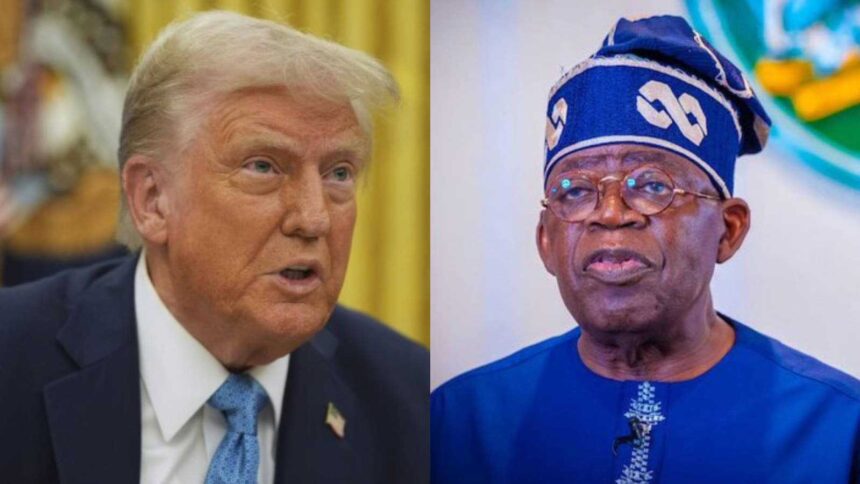
ABUJA — Nigeria received $187.3 million in United States government aid for 2026, according to official data published on Monday. However, future assistance faces increasingly stringent conditions as US lawmakers review the terms and oversight of American development aid to Nigeria and other African countries.
The funds are allocated across multiple sectors including health, agriculture, democracy and governance, economic growth, and education. USAID is the primary channel for the disbursements, which support programs run both by Nigerian government agencies and independent civil society organisations.
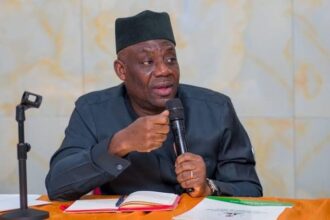
US Embassy spokesperson Michael Norris said the United States remains committed to its development partnership with Nigeria. However, he acknowledged that the US Congress is conducting a broader review of foreign assistance programs globally, including those in Nigeria, to ensure accountability and alignment with American foreign policy priorities.
Related News
“The United States values its partnership with Nigeria. We are committed to supporting programs that create real impact for Nigerian citizens. At the same time, American taxpayers expect rigorous accountability for how their money is spent,” Norris said in a statement.
What the Aid Covers
The largest portion of the $187.3 million allocation goes to health programs. These include HIV and AIDS treatment through the PEPFAR program, malaria prevention and treatment, maternal and child health services, and public health system strengthening. Nigeria carries one of the world’s heaviest disease burdens and USAID-funded health programs serve millions of Nigerians annually.
Related News
Agriculture and food security receive the second-largest share. Programs support smallholder farmers with improved seeds, fertilisers, and market access. Food security is particularly critical given that 35 million Nigerians face acute hunger between June and August 2026.
Furthermore, democracy and governance programs support INEC’s electoral management capacity, civil society organisations, anti-corruption initiatives, and the rule of law sector. This portion of US aid is politically sensitive, as it directly supports Nigerian democratic institutions ahead of the 2027 general elections.
Tighter Conditions Ahead
US lawmakers have been scrutinising foreign aid programs more closely since the Trump administration began its second term in 2025. Several African countries have faced reduced or conditional aid as Washington renegotiates the terms of its development partnerships.
Nigeria-specific concerns raised by some US lawmakers include governance failures, human rights issues, and the treatment of opposition politicians. The arrest of figures like El-Rufai and the restriction of civil society activities have been cited in Congressional discussions about Nigeria aid conditionality.
The Nigerian Ministry of Finance said it is engaged in diplomatic dialogue with US counterparts to ensure that the aid relationship remains productive. Officials said Nigeria values US partnership but also insists on its sovereign right to manage its internal affairs without external interference.