

The guns have stopped. The deal has been made. The world is exhaling.
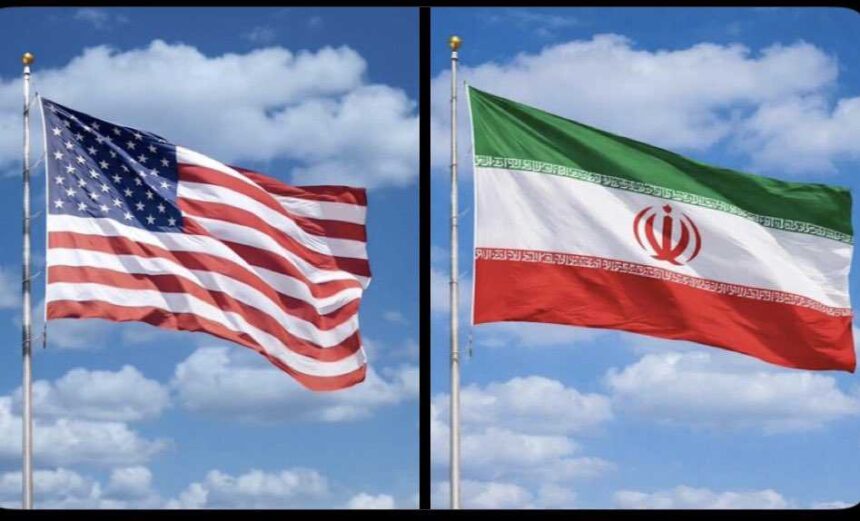
The United States and Iran reached a historic agreement on Sunday, June 15, to formally end their conflict, with the signing ceremony scheduled for June 19, 2026, in Switzerland. US President Donald Trump confirmed the agreement, which includes the reopening of the Strait of Hormuz — one of the world’s most critical energy shipping routes — and a framework for the cessation of all direct hostilities between the two nations. The announcement sent global oil prices tumbling and financial markets surging.
What the Deal Covers
Related News
The agreement addresses the immediate military conflict that began on February 28, 2026, when US forces launched strikes on Iranian nuclear facilities. The three months of hostilities that followed disrupted global energy supply chains, pushed crude oil prices above $120 per barrel, and triggered inflationary pressure across dozens of economies including Nigeria’s.
Under the terms of the agreement, both sides commit to a permanent cessation of hostilities. The Strait of Hormuz, through which approximately 20 per cent of the world’s oil supply passes, will be fully reopened to international shipping. Furthermore, a diplomatic framework for longer term negotiations on Iran’s nuclear programme has been established.
The Market Reaction
Related News
Financial markets responded immediately and decisively. Brent crude oil fell to approximately $83 per barrel on Monday morning — a significant drop from the $120 plus levels seen during the peak of the conflict. Stock markets in Europe, Asia, and the United States all recorded gains. The Nigerian naira strengthened slightly as investor sentiment improved toward emerging markets.
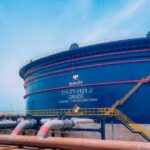
In Nigeria, the Dangote Refinery moved within hours of the announcement, cutting its petrol gantry price by N75 per litre. The IPMAN petroleum marketers association noted separately that without the Dangote Refinery, Nigeria’s fuel price would have reached N6,000 per litre during the conflict peak — a figure that would have been catastrophic for the economy.
What This Means for the World
The US-Iran peace deal is the most significant geopolitical development of 2026 so far. Beyond energy markets, it reduces the risk of a broader regional conflict that had been feared throughout the three months of hostilities. Furthermore, it removes a major source of uncertainty from the global economy at a moment when inflation was already a pressing concern across multiple continents.
The formal signing in Switzerland on June 19 will confirm what both sides have announced. For the world, that date cannot come soon enough.