


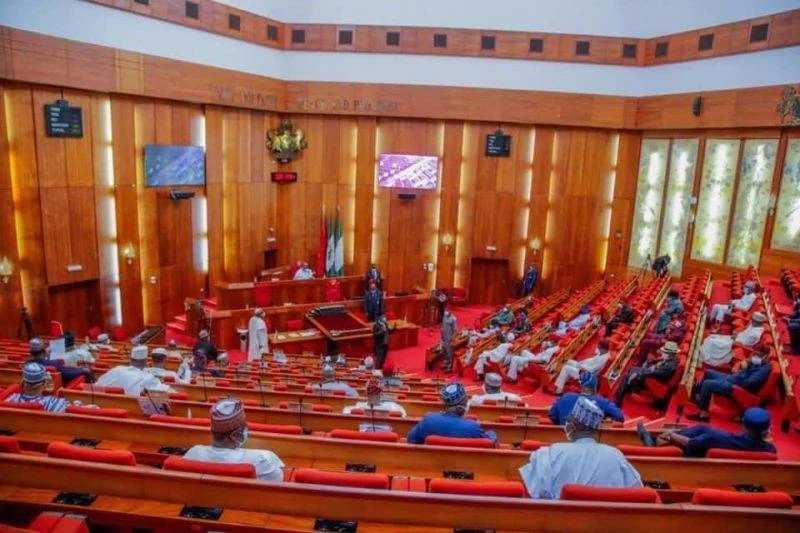
The Nigerian Senate on Wednesday, June 24, 2026, passed the Constitution of the Federal Republic of Nigeria Alteration Bill 2026 establishing state police services, in one of the most consequential security reforms in the country’s post-independence history, ending 66 years of centralised federal policing.
Senate President Godswill Akpabio announced the passage after more than two-thirds of senators voted in favour through a manual voting process, adopted after electronic voting devices failed to function despite repeated attempts over 30 minutes. All 26 clauses of the bill were adopted during the Committee of the Whole, with every clause securing at least 80 affirmative votes and no senator opposing any provision throughout proceedings.
Governors, Presidency Watch From Chamber
Related News
The vote unfolded under the watchful eyes of state governors, attorneys-general, and senior Presidency officials granted rare access to the chamber, underlining the significance all arms of government attached to the legislation. A delegation led by Chief of Staff Femi Gbajabiamila represented President Bola Tinubu. The bill was sponsored by Senate Leader Opeyemi Bamidele after President Tinubu transmitted it as an executive bill on June 23.
Under the new framework, each of Nigeria’s 36 states may establish a State Police Service headed by a Commissioner of Police appointed by the governor and confirmed by the state legislature. The Federal Police Service retains responsibility for counterterrorism, border patrol, organised crime, and interstate offences. Section 17(7) expressly prohibits commissioners from arresting, detaining, or deploying force against any person, political party, or group merely for criticising the government.
State Assemblies Must Ratify Next
Related News
However, the constitutional amendment cannot take effect until at least 24 of Nigeria’s 36 state Houses of Assembly ratify the bill. The Senate also passed the Police Trust Fund Act Repeal and Re-enactment Bill to provide a dedicated funding framework. Senate President Akpabio described the passage as a defining moment for Nigeria’s democratic and security evolution. Consequently, the bill now moves to the House of Representatives before formal presidential assent and state ratification begin.