

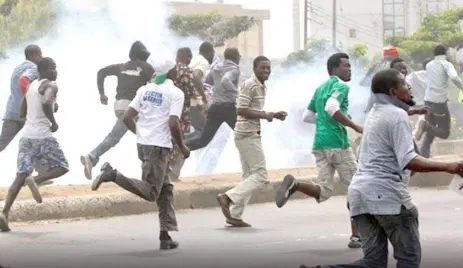
As Nigeria gradually moves toward the 2027 general elections, growing incidents of political violence are fueling concerns among citizens, civil society groups and democracy advocates about the country’s electoral future.
Observers warn that attacks linked to political activities, clashes among rival supporters and rising tensions in several parts of the country could threaten efforts to conduct peaceful and credible elections if urgent measures are not taken.
For many Nigerians, the concern goes beyond politics. Communities affected by violence often bear the heaviest burden, with families facing fear, disruption and uncertainty. The increasing frequency of politically motivated confrontations has renewed calls for stronger protection of lives and democratic rights.
Related News
Analysts argue that elections should be platforms for ideas, policies and healthy competition rather than intimidation and violence. They caution that a culture of political aggression could discourage voter participation and weaken public confidence in democratic institutions.
Recent incidents have intensified demands for political leaders, parties and their supporters to embrace tolerance and reject actions capable of inflaming tensions. Stakeholders insist that political disagreements must not result in attacks that endanger citizens or destabilize communities.
Civil society organizations have also urged security agencies to remain neutral and proactive in preventing violence. According to democracy advocates, early intervention, intelligence gathering and the swift prosecution of offenders are critical to reducing election-related unrest.
Related News
Many Nigerians believe that the success of the 2027 elections will depend not only on electoral preparations but also on the ability of institutions to guarantee safety before, during and after the polls. Public trust, they argue, can only be strengthened when citizens feel secure enough to participate freely in the democratic process.
Political experts have further called on parties to promote issue-based campaigns and discourage inflammatory rhetoric that could trigger conflict. They note that responsible leadership and respect for opposing views remain essential to preserving national unity and electoral integrity.
As political activities begin to gather momentum across the country, attention is increasingly focused on preventing violence from shaping the electoral landscape. For millions of voters, the hope is that the road to 2027 will be defined by debate, participation and democratic choice rather than fear and bloodshed.
The growing concerns serve as a reminder that protecting democracy requires a collective commitment from political actors, security agencies, electoral institutions and citizens alike. Ensuring peaceful elections, observers say, is vital to Nigeria’s democratic progress and long-term stability.