


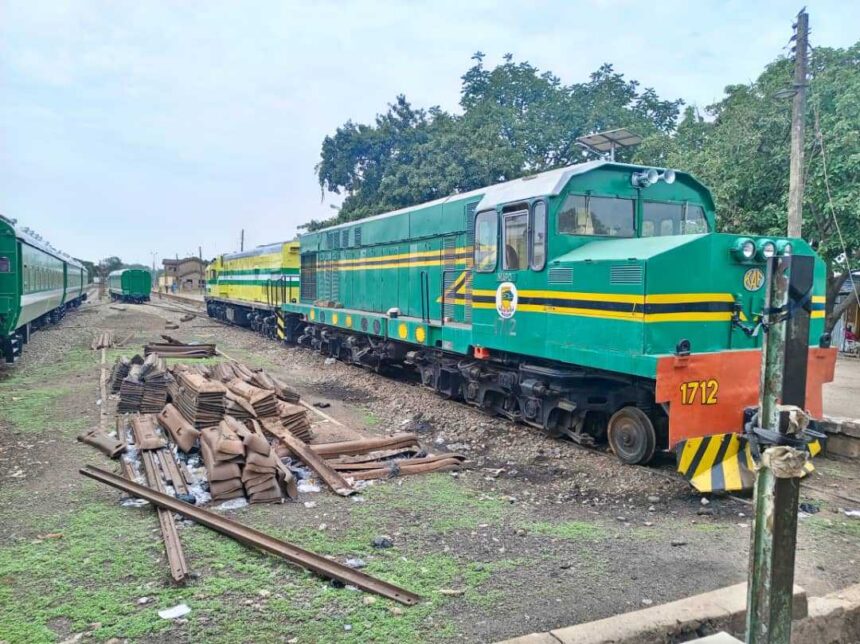
ABUJA — The Nigerian Railway Corporation has raised a fresh alarm over renewed vandalism of railway infrastructure in Plateau and Bauchi states. The corporation said the destruction of railway tracks, bridges, and supporting structures poses serious threats to public safety and economic activity along affected corridors.
NRC Director-General Fiscal Yusuf confirmed the development in a statement released on Sunday. He said operatives detected fresh vandalism at multiple points along the Bauchi and Plateau corridors over the past week. Some of the damage is extensive and will require significant repair before affected sections can safely carry passengers and cargo.
“Railway vandalism is not a petty offence. It endangers lives, disrupts commerce, and destroys infrastructure that took years to build. We are calling on security agencies to treat this as a priority and on communities to help us protect this national asset,” Yusuf said.
Related News
Railway vandalism in Nigeria typically involves the theft of metal rails, copper wiring, signalling equipment, and bolts that hold tracks in place. Vandals sell the stolen metal as scrap. The financial value of what they steal is a tiny fraction of the cost of replacing it. However, the resulting damage can render entire sections of track unusable.
A Recurring Problem
Nigeria’s railway network has suffered from vandalism for decades. The problem intensified during periods when infrastructure maintenance was neglected and tracks fell into disuse. Abandoned sections became easy targets for scrap metal thieves. Even as the government has invested in rehabilitation, vandalism has followed the improvements.
Related News
In addition, insecurity in Plateau and Bauchi states, both of which are in the north-central zone that has experienced significant communal and criminal violence, makes it harder for the NRC to deploy maintenance teams to affected areas. Security escorts are required for repair crews in high-risk locations, adding time and cost to every maintenance operation.
Furthermore, Nigeria’s railway rehabilitation program, which has seen significant investment in the Abuja-Kaduna, Lagos-Ibadan, and Warri-Itakpe corridors, represents a major public asset. Vandalism that damages these lines directly undercuts the government’s infrastructure investment and delays the economic benefits that the railways are meant to deliver.
Community Engagement as Solution
The NRC said it is launching a community awareness campaign along affected corridors. The campaign will explain to local residents the economic damage that railway vandalism causes and encourage communities to report vandalism to the NRC or security agencies.
Officials said community buy-in is essential to preventing vandalism. When local residents feel that the railway is an asset that benefits them through jobs, trade, and connectivity, they are more likely to protect it. When they feel excluded or ignored, the asset is more vulnerable to theft and sabotage.
The NRC also called on the police and the Nigerian Army to increase patrols along affected rail corridors in Plateau and Bauchi. It said a coordinated security response, combining community engagement with active law enforcement, is the only sustainable way to protect railway infrastructure.