

ABUJA — A United States government development agency will fund the deployment of 1,500 mobile base stations across off-grid communities in Nigeria and other parts of West Africa. The announcement, confirmed on Friday, is part of broader US efforts to expand digital access in underserved African communities.
The programme will target communities that currently have no reliable mobile connectivity. Many of these areas are in rural and semi-urban locations where commercial operators have not built infrastructure because of low short-term profitability. The US-funded base stations aim to bridge this gap.
Officials said Nigeria will receive the largest share of the 1,500 stations given the size of its population and the scale of its digital connectivity gap. The exact distribution across Nigerian states has not yet been published. Implementation is expected to begin before the end of 2026.
Related News
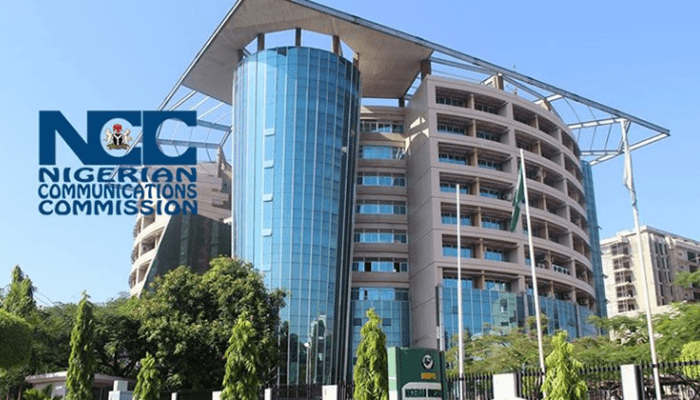
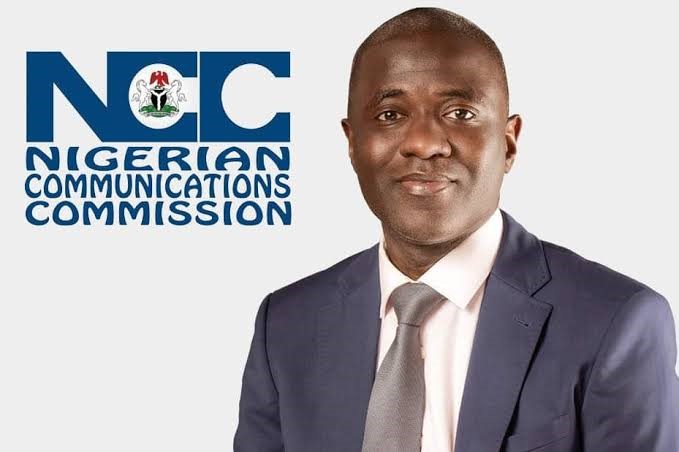
NCC Executive Vice Chairman Aminu Maida welcomed the US investment. He said international support for Nigeria’s connectivity goals complements the NCC’s own National Telecommunications Policy reforms. “Every base station we add brings another community into the digital economy,” Maida said.
Why This Matters for Nigeria
Nigeria has over 40 million people in communities with no reliable mobile coverage. These Nigerians are excluded from mobile banking, telemedicine, e-learning, and digital commerce. The economic cost of this exclusion is enormous.
Related News
In addition, the 1,500 base stations directly support the CBN’s financial inclusion goals. Mobile connectivity is the foundation of mobile money, which is a key tool for bringing unbanked Nigerians into the formal financial system. More connectivity means more financial access.
Furthermore, expanded connectivity in off-grid communities supports agricultural productivity. Farmers with mobile access can receive weather information, market prices, and agricultural advice in real time. This improves yields and income for millions of rural Nigerian families.
Broader West Africa Impact
The programme covers multiple West African countries beyond Nigeria. Countries including Ghana, Senegal, Sierra Leone, and Liberia are also expected to benefit from the US-funded base stations. The regional approach reflects the interconnected nature of digital infrastructure across West Africa.
The US has been deepening its digital economy engagement in Africa as part of its competition with China for influence on the continent. Both superpowers are investing in African digital infrastructure, though with different models and terms. American programmes typically emphasise open-market principles and private-sector partnerships.
Civil society groups said the US base station programme is welcome but should be paired with local technical training to ensure communities can maintain and benefit from the infrastructure. They said digital access without digital literacy has limited transformative impact.