

The Federal Government has established a Presidential Task Force on Ebola Virus Disease Preparedness and Emerging Public Health Threats as renewed cases of the disease appear in parts of Africa. President Bola Ahmed Tinubu approved the task force and ordered the immediate release of N10 billion as emergency intervention funding to keep Nigeria Ebola-free.
This move comes after health officials tracked new Ebola infections in neighboring countries, raising concerns about cross-border transmission. The task force will coordinate surveillance, rapid response teams, and public education campaigns across states.
Meanwhile, the government aims to sustain Nigeria’s zero-case status for Ebola while strengthening early detection at entry points including airports and border crossings. Health ministry officials will work closely with the NCDC to monitor suspicious cases and enforce isolation protocols where needed.
Related News
Funding and Coordination
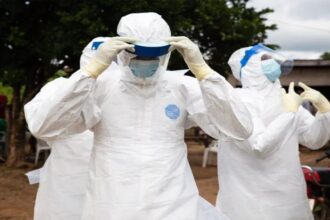
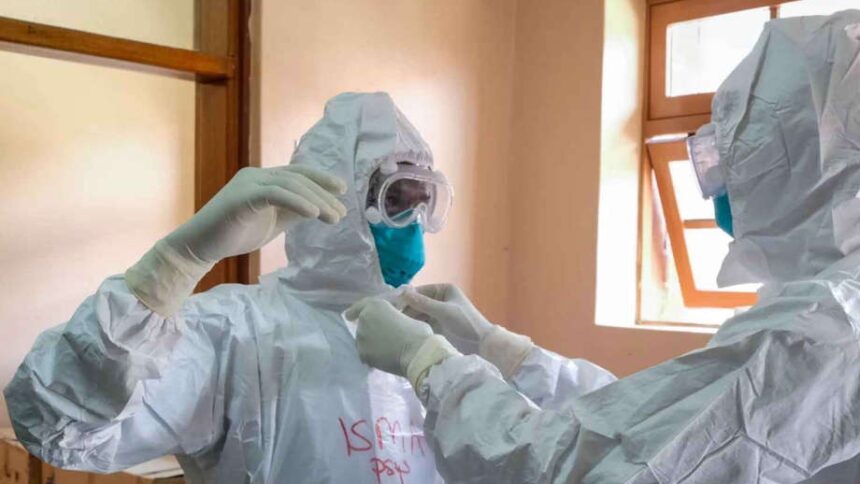
The N10 billion emergency package will support laboratory testing, contact tracing, and supply of protective equipment for frontline workers. In addition, the task force will activate state-level committees to ensure quick action if a case is confirmed.
Notably, the Presidency emphasized that Nigeria has robust protocols for managing infectious disease threats. Still, officials acknowledge that regional outbreaks require upgraded readiness and sustained funding.
Related News
A senior health official stated, “Our priority is to prevent any Ebola outbreak in Nigeria through early detection and rapid response.” The quote reflects the government’s commitment to public safety.
As a result, the task force will meet weekly to review surveillance data and adjust strategies. Furthermore, international partners including WHO may provide technical support for training and risk communication.
Consequently, communities will receive clear guidance on symptoms and safe practices. Even so, the government urges citizens to report unusual fevers or bleeding cases immediately to nearby health facilities.
National Readiness Gap
This effort builds on earlier disease control wins, including measles and cholera campaigns. However, Ebola’s high fatality rate demands stricter precautions and faster response times.
In addition, the task force will evaluate stock levels of antivirals and vaccines, if available for emergency use. Consequently, logistics teams will pre-position supplies in high-risk states.
Still, officials warn that public cooperation is essential for containment. For instance, travelers from affected countries should undergo screening and follow quarantine guidance if advised.
By contrast, routine immunization programs will continue without disruption. Meanwhile, the health sector will expand diarrhea and fever clinics to reduce misdiagnosis risks.
Ultimately, Nigeria’s task force aims to protect families, businesses, and the economy from the ripple effects of an Ebola outbreak.