

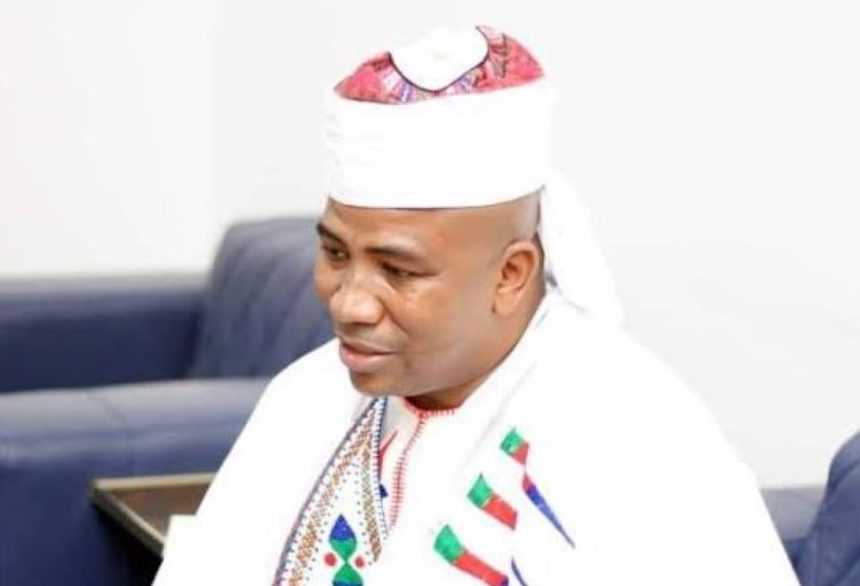
The Economic and Financial Crimes Commission filed a 12-count terrorism financing and money laundering charge against Bello Abdullahi Bodejo, president of Miyetti Allah Kautal Hore, before a Federal High Court in Abuja on Monday, June 22, 2026, alleging he received $2.53 million in illegal cash transactions without routing the funds through a financial institution.
EFCC spokesperson Dele Oyewale said Bodejo was accused of accepting multiple large cash payments from Sa’idu Abubakar, a former Accountant-General of Bauchi State currently in police custody, including $100,000 on January 11, 2022; $200,000 on January 21, 2022; $500,000 on March 20, 2024; and $980,000 on February 7, 2024. Each transaction allegedly violated the statutory cash transaction threshold of N5 million under the Money Laundering Prohibition Act.
Charges Include Possession of Crime Proceeds
Related News
Count ten of the charge alleged that Bodejo took possession of $980,000 in Abuja on February 7, 2024, under circumstances in which he knew or ought to have known the funds represented proceeds of unlawful activity. The EFCC said a court date for arraignment had not yet been fixed. Bodejo has been linked to Bauchi State Governor Bala Mohammed, whose officials have been charged in several EFCC cases over the past year.
Bodejo had previously been arrested and briefly faced terrorism charges in 2024 before the Attorney-General of the Federation’s office withdrew the case without explanation. The new EFCC charges are expected to proceed under the Money Laundering Acts of 2011 and 2022, which carry significant prison sentences on conviction. The Miyetti Allah leader has denied wrongdoing in previous legal encounters.
Case Deepens Scrutiny of Informal Cash Networks
Related News
Furthermore, the case is linked to a broader EFCC investigation into what prosecutors described as an off-bank cash disbursement system operating through intermediaries connected to the Bauchi State Government, involving approximately $9.7 million in total transactions. The funds were allegedly handed over at unconventional locations including restaurants and private residences. Notably, the EFCC has also petitioned the Federal High Court Chief Judge to disqualify a judge handling a related case, alleging loss of confidence in the judge’s objectivity. Consequently, the Bodejo prosecution adds a dramatic new dimension to the already complex web of northern Nigeria’s terrorism financing investigations.