


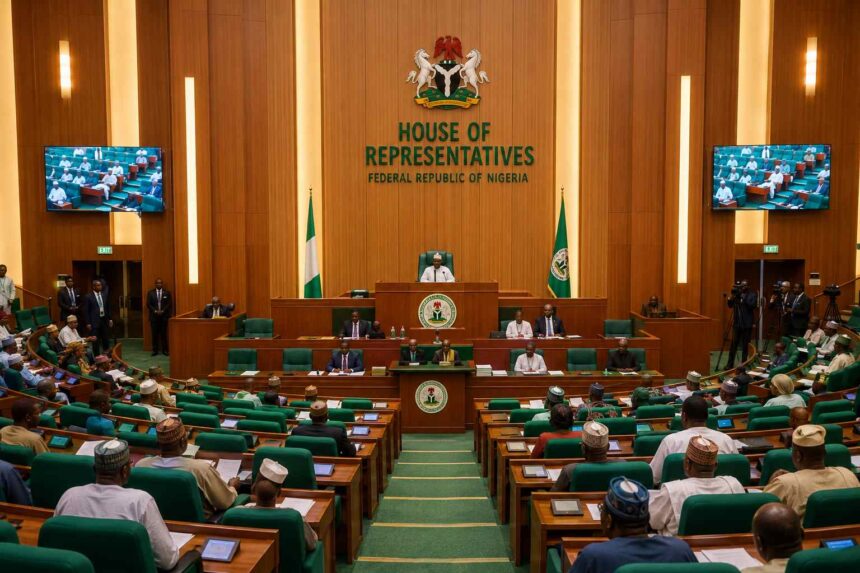
ABUJA, Nigeria — Nigeria’s House of Representatives passed a bill Thursday that would allow each of the country’s 36 states to create its own police force, a major move to address the country’s worsening security crisis.
Lawmakers approved the Sixth Alteration Bill, 2026, by 289 votes to 1, easily clearing the two-thirds majority needed to change the constitution. Speaker Tajudeen Abbas presided over the session, and Deputy Speaker Benjamin Kalu presented the bill.
The bill seeks to amend Section 214 of the 1999 Constitution. It would move policing from the exclusive legislative list, where only the federal government holds authority, to the concurrent list, where both federal and state governments share power. Under the change, all 36 states would have the legal right to build, run and fund their own police forces alongside the national police.
Related News
Nigeria has faced growing security threats in recent years, including kidnappings, armed bandits in the northwest and violent insurgencies. Supporters of the bill argue that a police force controlled from Abuja cannot respond fast enough to local emergencies and that local officers understand community languages and terrain far better than officers deployed from the capital. President Bola Tinubu’s administration has backed the reform as a necessary fix for the country’s overstretched security system.
To prevent governors from using state police against political opponents, the bill includes strict federal oversight rules. A state cannot launch its own police force until its state house of assembly passes a matching law certified as meeting national minimum standards set by the National Assembly. The federal police are also barred from interfering in state police operations unless there is a total breakdown of law and order.
Thursday’s vote is a significant step, but the bill still faces a long constitutional process before it becomes law. It must next go to the Senate for approval. If passed, at least 24 of Nigeria’s 36 state houses of assembly must also approve it before the president can sign it into law.