

By using this site, you agree to the Privacy Policy and Terms of Use.
Accept
Wednesday, 24 Jun 2026
  • HomePage
  • History
  • My Feed
  • My Interests
  • My Saves
  • Newsletter Page
Subscribe
News247 Nigeria
  • Home
  • News
    • Analysis
    • Breaking News
    • Africa News
    • Crime News
    • Heath News
    • Healthy Living
    • Security News
    • World News
  • Business
  • Politics
  • Feature
  • Opinion
    • Editorial
    • Column
  • Entertainment
    • Lifestyle
  • Sports
  • 🔥
  • News
  • Politics News
  • Crime News
  • National News
  • Sports News
  • Business News
  • Sports News
  • Crime News
  • Politics News
  • Politics
Font ResizerAa
News247 NigeriaNews247 Nigeria
  • HomePage
  • History
  • My Feed
  • My Interests
  • My Saves
  • Newsletter Page
Search
  • Home
  • News
    • Analysis
    • Breaking News
    • Africa News
    • Crime News
    • Heath News
    • Healthy Living
    • Security News
    • World News
  • Business
  • Politics
  • Feature
  • Opinion
    • Editorial
    • Column
  • Entertainment
    • Lifestyle
  • Sports
Have an existing account? Sign In
Follow US
© 2026 News247ng Nigeria - All Rights Reserved | Designed by AuspiceWeb
News247 Nigeria > Blog > Healthy Living > Brain Boosting Strategies: How Parents Can Support Children’s Academic Success
Healthy Living

Brain Boosting Strategies: How Parents Can Support Children’s Academic Success

Publisher
Last updated: February 6, 2026 10:30 pm
Publisher
330 Views
4 Min Read
Share
Brainpower
SHARE

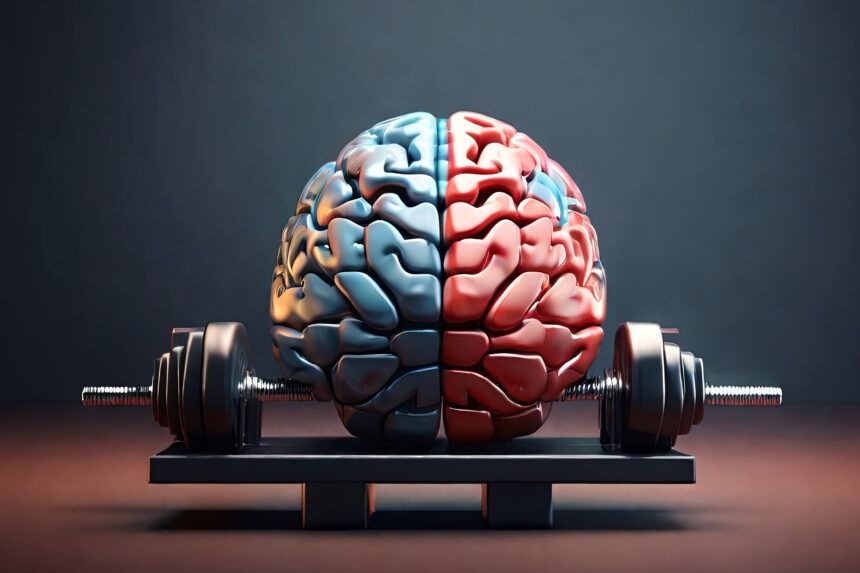
Science-backed approaches help students enhance cognitive performance and excel in school without shortcuts or supplements


Parents seeking to give their children an academic edge need look no further than established scientific research, which reveals that sustainable cognitive enhancement comes from lifestyle factors rather than quick fixes.

A growing body of neuroscience demonstrates that everyday habits—from sleep patterns to study techniques—profoundly impact how young minds absorb, process, and retain information.

READ ALSO:
  • Five Signs Your Body Is Telling You to Drink More Water Right Now
  • Why Nigerian Men Over 40 Must Prioritise Sleep and Rest
  • Flatbread Pizza (5-Ingredient Hack)

The Foundation: Sleep, Nutrition, and Movement

Quality sleep stands as the cornerstone of cognitive function. During deep sleep, the brain consolidates memories and clears metabolic waste, making adequate rest non-negotiable for academic performance. Children aged 6-12 require 9-12 hours nightly, while teenagers need 8-10 hours, according to sleep researchers. Yet surveys show that most students fall short of these targets.

Nutrition plays an equally critical role. Omega-3 fatty acids, abundant in salmon, walnuts, and flaxseeds, support neural membrane health and communication between brain cells. Meanwhile, whole grains provide steady glucose—the brain’s primary fuel source—preventing the energy crashes that accompany sugary snacks.

Physical exercise triggers the release of brain-derived neurotrophic factor (BDNF), a protein that promotes new neural connections and enhances learning capacity. Studies consistently show that students who engage in regular physical activity demonstrate improved attention spans and higher test scores compared to sedentary peers.

READ ALSO:
  • How Nigerians Can Eat Healthy Without Breaking the Bank
  • Seven Daily Habits That Can Cut Your Risk of Stroke by Over 80 Percent
  • Mental Wellness Experts Urge Nigerians to Build Daily Coping Habits

Smart Study Habits Beat Hours of Cramming

However, lifestyle changes alone don’t guarantee academic success. Research into learning science reveals that how students study matters far more than how long they study.

Spaced repetition—reviewing material at increasing intervals—dramatically improves long-term retention compared to massed practice. Similarly, active recall through self-testing proves superior to passive rereading. When students quiz themselves, they strengthen neural pathways and identify knowledge gaps.

The Feynman Technique, named after physicist Richard Feynman, encourages students to explain concepts in simple terms as if teaching someone else. This approach exposes incomplete understanding and forces deeper processing of material.

Managing the Modern Brain’s Challenges

Today’s students face unprecedented cognitive demands amid constant digital distractions. Neuroscientists warn that multitasking—switching between homework, social media, and streaming content—reduces efficiency and impairs information encoding.

Creating distraction-free study environments and using techniques like the Pomodoro method (focused 25-minute work intervals) help students maintain the deep concentration necessary for complex learning.

Stress management also proves essential. Chronic stress floods the brain with cortisol, which interferes with the hippocampus—the brain region responsible for forming new memories. Teaching children mindfulness practices, deep breathing exercises, or simple meditation can counteract these effects.

Cultivating a Growth Mindset

Ultimately, perhaps the most powerful cognitive boost comes from mindset. Research by psychologist Carol Dweck demonstrates that students who believe intelligence can be developed through effort—a “growth mindset”—persist through challenges and achieve more than those who view ability as fixed.

Parents can foster this perspective by praising effort and strategy rather than innate talent, and by framing mistakes as learning opportunities rather than failures.

The bottom line: Brain function optimization for academic purposes doesn’t require expensive supplements or controversial interventions. Instead, it demands consistent attention to sleep, nutrition, exercise, evidence-based study methods, and psychological well-being—factors entirely within parents’ and students’ control.


Share this:

  • Share on Facebook (Opens in new window) Facebook
  • Share on X (Opens in new window) X
  • Share on LinkedIn (Opens in new window) LinkedIn
  • Share on Telegram (Opens in new window) Telegram
  • Share on Threads (Opens in new window) Threads
  • Share on WhatsApp (Opens in new window) WhatsApp

Like this:

Like Loading…

Related


Discover more from News247 Nigeria

Subscribe to get the latest posts sent to your email.

TAGGED:academic performancechild brain developmentevidence-based learning strategiesparenting for school successstudent cognitive function
Share This Article
Email Copy Link Print
Previous Article ADC Condemns Tinubu’s NNPC Debt Write-Off as Unconstitutional
Next Article Lookman Hits 100 Goals After 11-Year Journey

Your Trusted Source for Accurate and Timely Updates!

Our commitment to accuracy, impartiality, and delivering breaking news as it happens has earned us the trust of a vast audience. Stay ahead with real-time updates on the latest events, trends.
FacebookLike
XFollow
InstagramFollow
LinkedInFollow
MediumFollow
QuoraFollow
- Advertisement -
Ad image

You Might Also Like

Healthy Living

Seven Daily Habits That Can Cut Your Risk of Stroke by Over 80 Percent

By Publisher
Healthy Living

Mental Wellness Experts Urge Nigerians to Build Daily Coping Habits

By Publisher
Healthy Living

Fasting: Nature’s Miracle Cure for Cancer, Fat Loss & Longevity

By Publisher
Healthy Living

NCDC: No Hantavirus Cases Recorded in Nigeria

By Publisher
News247 Nigeria
Facebook Twitter Youtube Linkedin Rss

About US

News247NG is a Nigerian digital news platform delivering fast, credible and up-to-date reports on politics, business, technology, entertainment, sports and world events. Our goal is to keep readers informed 24/7 with accurate and responsible journalism.
Information Pages
  • ABOUT US
  • CONTACT US
  • TERMS OF USE
  • PRIVACY POLICY
  • COOKIE POLICY
  • DISCLAIMER
  • DMCA / COPYRIGHT
Useful Links
  • HomePage
  • History
  • My Feed
  • My Interests
  • My Saves
  • Newsletter Page

© News247ng Nigeria. AuspiceWeb Design. All Rights Reserved.

Welcome Back!

Sign in to your account

Username or Email Address
Password

Lost your password?

%d