

The global health community is taking this Ebola threat seriously. A six month continental response plan says so.
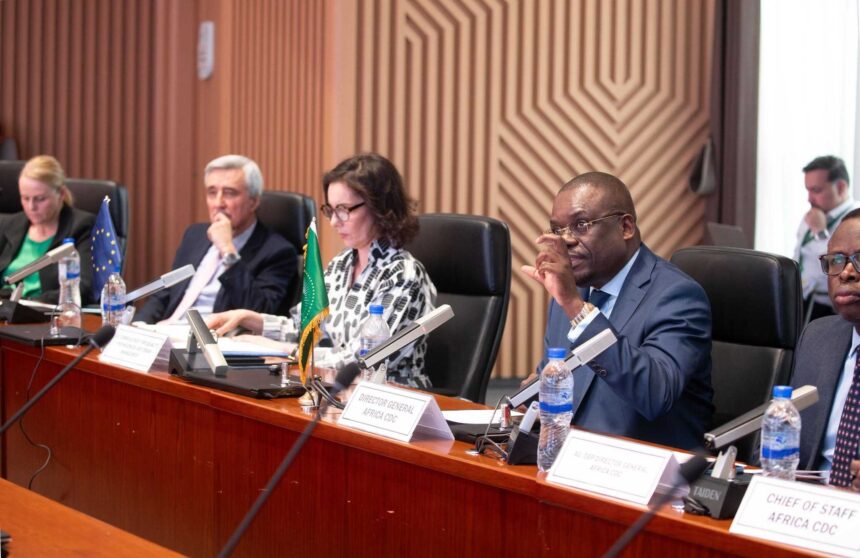
Africa CDC and the World Health Organisation have unveiled a six month continental preparedness and response plan covering June to November 2026 to strengthen Africa’s response to the ongoing Ebola outbreak. The plan, which directly includes Nigeria as a high risk country, comes as the NCDC continues to intensify surveillance, expand laboratory capacity, and train health workers across the country.
What the Plan Covers
Related News
The continental plan focuses on four key pillars: enhanced surveillance at borders and points of entry, laboratory strengthening, health worker training and protection, and community engagement. Nigeria features prominently in each area, given its classification by the NCDC as a high risk country for Ebola importation due to international travel volumes, population movement, and porous land borders.
The plan runs from June through November 2026 — a six month window that covers the period when risk from the ongoing DRC and Uganda outbreak is considered highest. Furthermore, Africa CDC has committed to providing technical support, laboratory reagents, and rapid response teams that can be deployed to any member country that records a suspected case.
Nigeria’s Current Preparedness Picture
Related News
NCDC Director General Dr. Jide Idris has been consistent and transparent in his public communications about Nigeria’s readiness. He admitted on June 9 that the country’s preparedness stands at approximately 59 per cent. He has been equally clear that this figure does not mean Nigeria is unprepared — it means the work of improving readiness is ongoing and must continue.
The NCDC has strengthened nationwide surveillance systems, intensified event based monitoring, enhanced laboratory and diagnostic readiness at four key facilities including the National Reference Laboratory in Abuja and the Lagos University Teaching Hospital, and expanded community engagement across high risk states.
The Reassurance Nigeria Needs
Three Red Cross volunteers died in the DRC from suspected Ebola in May 2026. The outbreak has recorded more than 200 suspected deaths and more than 850 suspected cases in the DRC alone. Uganda has closed its borders with the DRC. The risk is real and the NCDC is not pretending otherwise.
However, Dr. Idris has consistently offered Nigerians a measured message. “If Ebola comes into Nigeria, we will stop it with the current knowledge and systems we have now,” he said at a Lagos briefing. Nigeria contained Ebola successfully in 2014. The lessons from that experience remain part of the institutional memory of the public health system. That is not a small thing.