

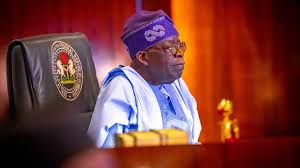
Nigeria’s main opposition party, the African Democratic Congress, has launched a sharp constitutional challenge against President Bola Tinubu, alleging his recent cancellation of historic debts owed by the state oil company illegally deprives state and local governments of vital revenue.
The ADC’s national publicity secretary, Mallam Bolaji Abdullahi, stated over the weekend that the party is “deeply alarmed” by the President’s move. Official documents indicate the directive wrote off approximately $1.42 billion and N5.57 trillion in legacy liabilities the Nigerian National Petroleum Company Limited (NNPC Ltd) owed to the national treasury, known as the Federation Account.
A Direct Challenge to Revenue Sharing
The party’s core argument hinges on constitutional law. The ADC asserts that President Tinubu acted unilaterally, without required legislative approval, to cancel debts accrued from oil production contracts, royalties, and other obligations. According to Abdullahi, this executive action removed 96% of dollar-denominated and 88% of naira-denominated legacy balances.
“This action effectively removes longstanding liabilities from public accounts, but at the cost of reducing the revenue base constitutionally distributable to States and Local Governments,” Abdullahi stated. The ADC contends this violates Section 162 of the 1999 Constitution, which mandates that all federation revenue be paid into the Federation Account for distribution among all three tiers of government.
Criticism of National Assembly Silence
Consequently, the ADC has extended its rebuke to the National Assembly, questioning its silence on what the party calls a severe constitutional breach. The statement implied such executive overreach could merit impeachment proceedings, emphasizing that Nigeria is “a nation of laws, and not of men.”
The party firmly rejected the administration’s reported justification of a “reconciliation of records,” arguing this cannot override constitutional revenue-sharing requirements. This dispute sets the stage for a significant legal and political clash over the control of Nigeria’s oil wealth and the limits of presidential power.
Related
Discover more from News247 Nigeria
Subscribe to get the latest posts sent to your email.