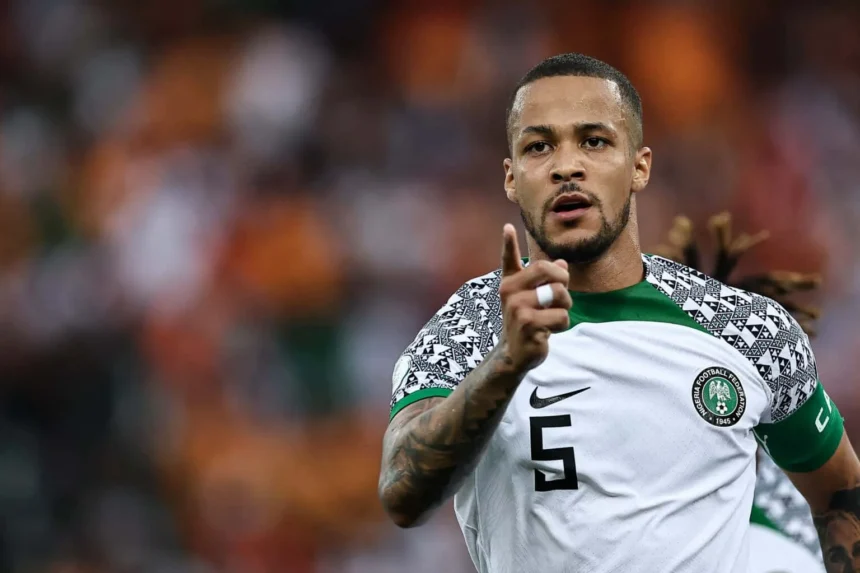
Former Super Eagles captain William Troost-Ekong has delivered his most direct public assessment yet of Nigeria’s absence from the 2026 FIFA World Cup, saying the missed tournament must translate into concrete structural reform rather than fade away once the final whistle blows at MetLife Stadium. Speaking to SuperSport on July 7, Troost-Ekong was measured but unambiguous: good intentions and individual talent will not be enough to bring Nigeria back to the World Cup in 2030.
What He Said
“I think the coach, Eric Chelle, has done a fantastic job turning around a difficult start because there was upheaval from the moment he took the job,” Troost-Ekong said. “There will be changes again. I have retired from international football, and it was a World Cup I wanted to be part of. In moments like this, we have to take a serious look at the structure we have in place in Nigeria in terms of preparing for long-term success.”
Related News
He identified the problem clearly. “When you look at nations that have done well from the continent, they have put the right structures in place for ten to fifteen years, rather than relying solely on talent. We need a clear long-term vision.” That assessment cuts to the heart of why Nigeria keeps missing tournaments that, on paper, a squad of their individual quality should qualify for.
Pride Mixed With Pain
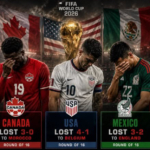
Troost-Ekong has been watching the 2026 World Cup as an analyst, and the experience has been emotionally complicated. He expressed genuine pride at how African nations have performed, with nine of ten qualifiers reaching the round of 32. Morocco’s quarter-final run, Senegal’s 5-0 demolition of Iraq, and Ivory Coast’s dramatic late win over Ecuador have all provided moments to celebrate.
Related News
However, watching those moments from outside the tournament adds a particular quality of pain. “When you watch the African teams performing so well, you cannot help but think Nigeria would also have put in a strong performance,” he said. Furthermore, he believes the player commitment has always been present. The structural failings are the problem, not the players’ desire.
What Must Change Before 2030
Troost-Ekong called on the Nigeria Football Federation to adopt a long-term strategy focused on youth development, coaching quality, technical planning, player welfare, and more effective preparation for major qualification campaigns. He dismissed suggestions that the players lacked motivation, arguing instead that broader organisational issues require urgent attention at the federation level.
For Nigerian football fans who have been asking the same questions since 2022, Troost-Ekong’s comments provide the clearest articulation yet of what reform must look like. The World Cup is not over yet. But the conversation about how Nigeria must change to be part of the next one has already begun.