

It is not just football fans feeling the sting. Nigeria’s political class is voicing its frustration too.
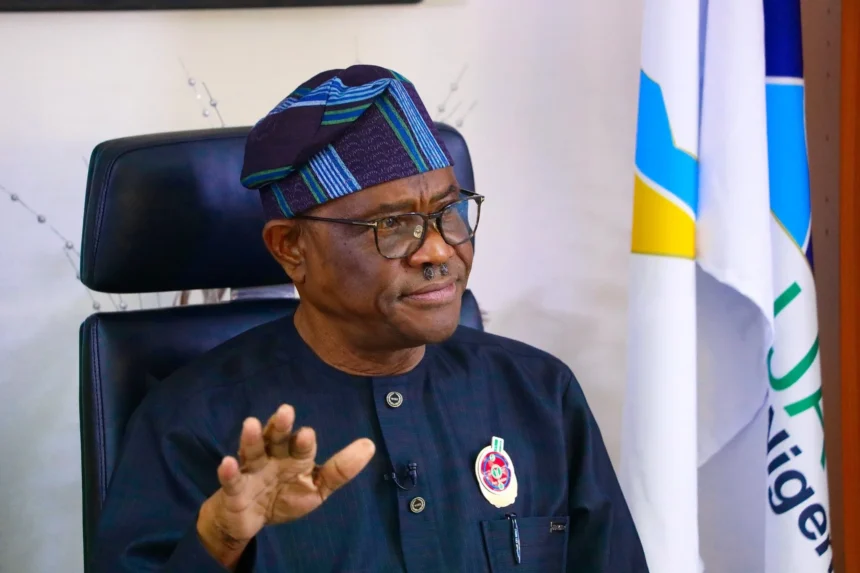
Federal Capital Territory Minister Nyesom Wike has expressed disappointment over the Super Eagles’ absence from the 2026 FIFA World Cup, adding a prominent political voice to a national conversation that has continued to dominate sports pages since Nigeria’s elimination from qualification. His comments reflect just how widely the disappointment has spread beyond football circles into broader Nigerian public life.
A Frustration Shared Widely
Related News
Wike’s remarks come at a time when Nigeria continues to grapple with the reality of missing a second consecutive World Cup, having lost to DR Congo in the CAF inter confederation playoff. As the 2026 tournament has unfolded across the United States, Mexico, and Canada, the absence has been felt acutely by Nigerians watching smaller African nations create historic moments on football’s biggest stage.
Furthermore, Wike’s comments arrive alongside other significant football governance conversations currently playing out in Nigeria, including disputes over Nigeria Professional Football League prize money increases and questions about the National Sports Commission’s handling of football federation reforms.
The Broader Football Governance Conversation
Related News
Sports administrator Gbenga Baribote has separately criticised the National Sports Commission, alleging that NSC chairman Dikko Umar Radda has not been sincere about reforms within the Nigeria Football Federation and the Nigeria Professional Football League. These governance tensions reflect deeper structural questions about how Nigerian football is organised and funded, questions that many believe contributed to the team’s recent struggles.
Additionally, the NFF has reportedly yet to appear on FIFA’s updated membership list, a procedural detail that has added further uncertainty to discussions about Nigerian football’s administrative standing during this period of rebuilding.
What Comes Next for Nigerian Football
With prominent political and football voices alike expressing concern, pressure continues to build for meaningful reform across Nigeria’s football administration. Coach Eric Chelle’s on field rebuilding project, which has shown promising signs through recent friendlies and a rising FIFA ranking, will need to be matched by equally serious reform at the governance level if Nigeria hopes to avoid a third consecutive World Cup absence in 2030.
For now, Wike’s comments add to a chorus of voices making clear that Nigeria’s football disappointment is being felt, and discussed, at every level of national life.