

Guns and troops are not the only tools Nigeria has against insecurity, according to one of its most respected legal voices. The law itself, he argues, must do more.
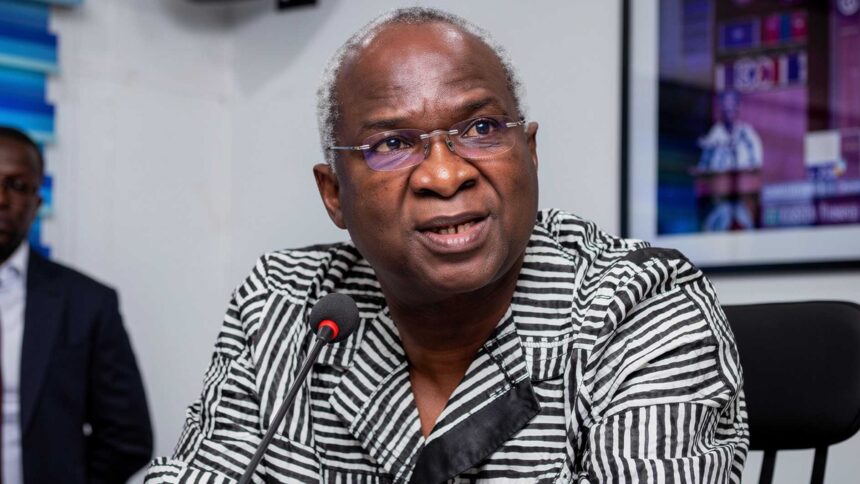
Former Lagos State Governor and Senior Advocate of Nigeria, Babatunde Fashola, has called on members of the legal profession to play a more active role in addressing Nigeria’s growing security challenges. His remarks, delivered amid intensifying national conversation around insecurity, position lawyers and the broader justice system as essential, though often overlooked, participants in Nigeria’s response to crime and violence.
The Legal Dimension of Security
Related News
Fashola’s call comes at a moment when Nigeria’s security architecture is undergoing significant scrutiny and reform. The Senate has just passed a constitutional amendment establishing state police services. The EFCC has filed terrorism financing charges against a suspect involving millions of dollars. The United States has designated a Nigerian bureau de change over alleged ISIS financing links.
Against this backdrop, Fashola’s emphasis on the legal profession’s role highlights a dimension of security that receives less attention than military operations or policy announcements: the courtroom prosecution, the legal framework enforcement, and the due process protections that ultimately determine whether security interventions translate into lasting justice.
Why Lawyers Matter in This Fight
Related News
Effective prosecution of terrorism financing cases, like the recent charges against Bello Bodejo, depends heavily on skilled legal representation, both for the prosecution building credible cases and for defence counsel ensuring fair trial standards are maintained throughout. Furthermore, lawyers play crucial roles in advising on legislative reforms, including the ongoing state police constitutional amendment process, ensuring that new security frameworks are legally sound and constitutionally durable.
Fashola’s comments also touch on a broader theme within Nigerian legal circles regarding the profession’s civic responsibility beyond individual client representation. As insecurity has spread into new regions, including the South West where Sunday Igboho’s civilian interventions have sparked debate, questions about the proper legal boundaries of self defence and community policing have become increasingly urgent.
A Call That Extends Beyond the Bar
Whether Nigeria’s legal community responds with the kind of active engagement Fashola is calling for remains to be seen. However, his intervention adds another respected voice to the chorus of public figures, from civil society leaders to traditional rulers, all searching for additional tools and approaches to address a security crisis that conventional military and policing responses have so far failed to fully resolve.
For ordinary Nigerians watching from the sidelines of these various interventions, the hope remains simple: that whatever combination of legal reform, military operation, legislative change, and community action ultimately takes hold, it produces the lasting security that has remained elusive for far too long.