


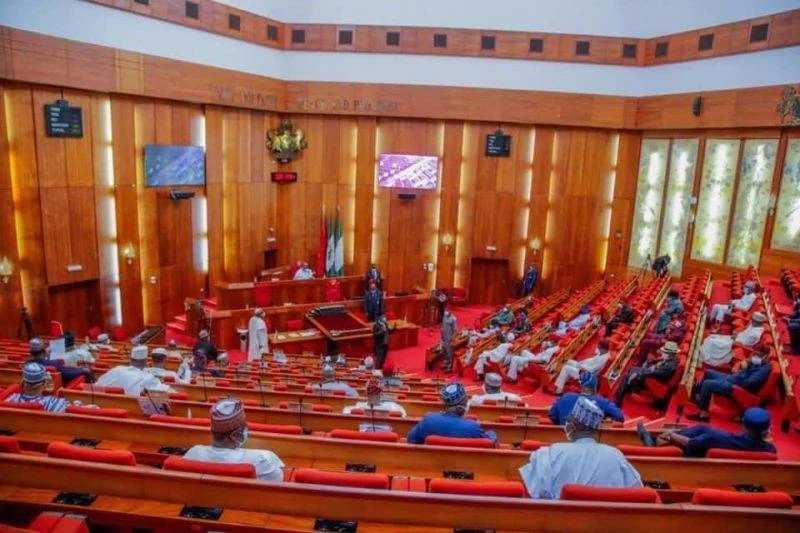
For years, governors have asked for it. On Wednesday, the Senate finally gave Nigeria a path toward state police.
The Nigerian Senate passed a constitutional amendment bill on Wednesday seeking the establishment of state police services across the country, marking a major step in Nigeria’s long running efforts to decentralise policing and strengthen internal security. The bill, transmitted by President Bola Tinubu, now moves toward further legislative steps required to amend the constitution.
A Long Debated Reform
Related News
Calls for state police have circulated within Nigerian political and security circles for years, driven largely by frustration over the federal police force’s capacity to respond effectively to localised security threats across all 36 states. Advocates argue that state governors, who often bear the political consequences of insecurity within their territories, lack the operational authority to deploy dedicated forces under their direct command.
The Senate’s decision to pass this constitutional amendment reflects growing political consensus that Nigeria’s current centralised policing model has struggled to keep pace with the country’s evolving security challenges, from banditry in the North West to kidnapping that has spread into previously stable regions like the South West.
Mixed Views From Security Experts
Related News
Retired military and police chiefs have expressed differing views on the implications of this reform. Some argue that state police could improve response times and local intelligence gathering, since state level forces would have deeper knowledge of their specific communities. Others have raised concerns about potential misuse of state police by governors for political purposes, alongside funding and training challenges that smaller states might face.
Furthermore, questions remain about how state police would coordinate with the existing federal police structure to avoid jurisdictional conflicts or gaps in coverage during cross border criminal operations, which remain common given how bandits and kidnappers frequently move between states.
What Happens Next
Passing the Senate represents only one stage in Nigeria’s constitutional amendment process. The bill will need to clear additional legislative hurdles, including concurrence from the House of Representatives and ratification by a significant number of state assemblies, before it can take full legal effect.
Still, Wednesday’s vote represents real momentum for a reform that many Nigerians have long believed could meaningfully improve security outcomes. Whether state police ultimately deliver on that promise will depend heavily on implementation, funding, and the safeguards built into the final framework.